
What Is Botox? How It Works, What to Expect, and Who It’s
What Is Botox? How It Works, What to Expect, and Who It's
Botox is a purified protein that temporarily relaxes the muscles responsible for expression lines, smoothing wrinkles without surgery or downtime. This guide covers how it works, what to expect at your first appointment, and how to choose a provider.
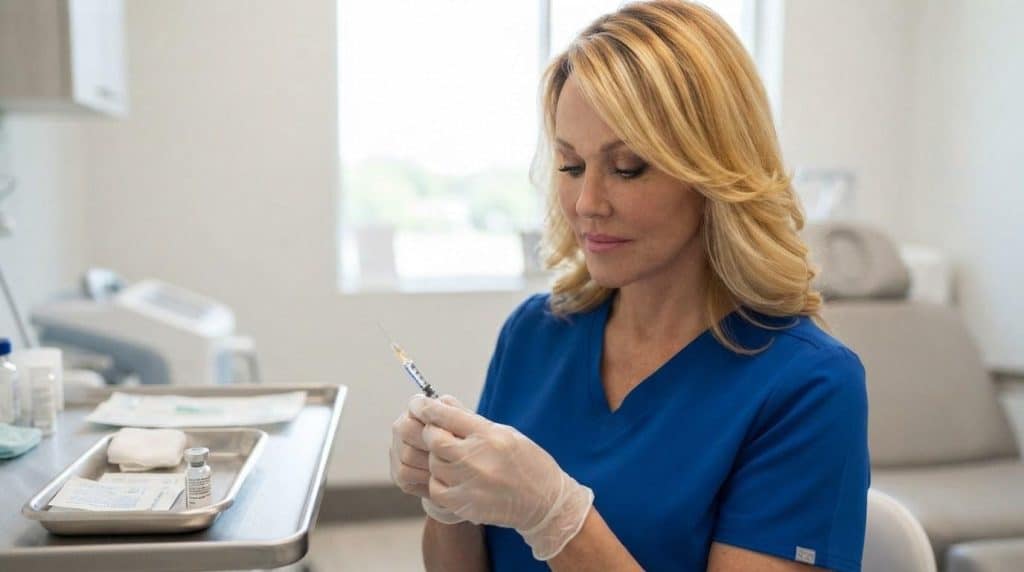
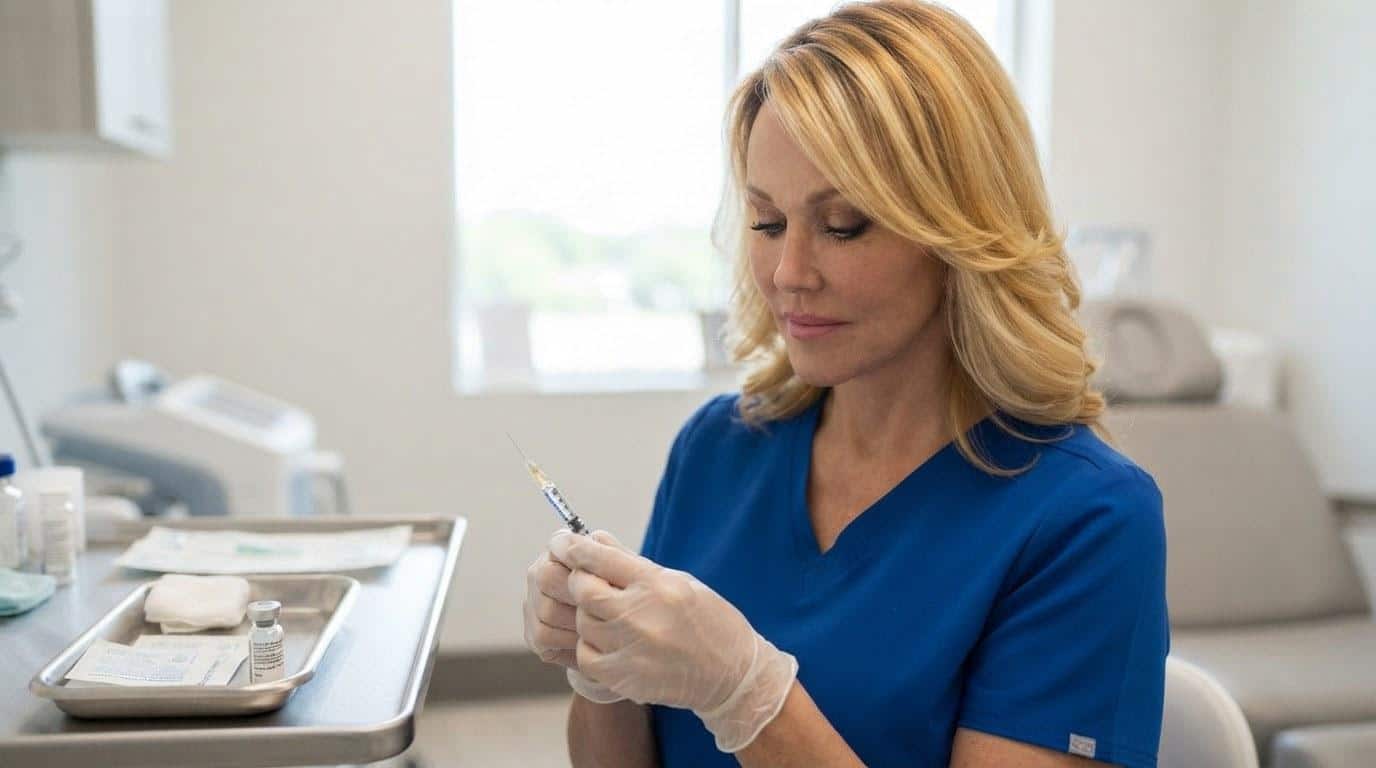
Botox is a purified protein derived from botulinum toxin type A that temporarily blocks nerve signals to targeted muscles, preventing them from contracting and causing wrinkles. It is the most popular non-surgical cosmetic treatment in the United States, with millions of procedures performed every year. If you have been wondering what is Botox and whether it could work for you, this guide covers everything you need to know before booking a consultation.
What Is Botox and How Does It Work?
Botox is an FDA-approved injectable medication made from a highly purified form of botulinum toxin type A. When injected in small, precise amounts, it temporarily blocks the chemical signal that tells a muscle to contract. Without that signal, the targeted muscle relaxes, and the overlying skin smooths out.
The toxin itself is produced by the bacterium Clostridium botulinum, but the version used in cosmetic and medical treatments is highly refined and used in doses far too small to cause any systemic effect. The U.S. Food and Drug Administration first approved Botox Cosmetic for glabellar lines (the frown lines between the brows) in 2002, and it has been studied extensively for more than two decades since.
The mechanism is straightforward. Acetylcholine is the neurotransmitter that triggers muscle movement. Botox binds to the nerve ending and prevents acetylcholine from being released. The muscle cannot fully contract, so repeated expressions like squinting, frowning, or raising the brows no longer etch deep lines into the skin over time.
Botox is not the only botulinum toxin type A product on the market. Several FDA-approved alternatives are available, each with a slightly different protein complex and onset profile.
| Product | Manufacturer | Key Characteristic | Typical Onset |
|---|---|---|---|
| Botox Cosmetic | AbbVie (Allergan) | Longest clinical track record; widely studied | 3 to 7 days |
| Dysport | Galderma | Smaller protein complex; spreads slightly wider | 2 to 5 days |
| Daxxify | Revance | Peptide-stabilized; longer duration in clinical trials | 2 to 5 days |
| Jeuveau | Evolus | Made with Hi-Pure technology; cosmetic use only | 3 to 7 days |
| Xeomin | Merz | Naked neurotoxin; no accessory proteins | 3 to 7 days |
A skilled injector will discuss which product suits your goals, your anatomy, and your treatment history. All five options work through the same basic mechanism, but subtle differences in diffusion, onset, and duration can make one a better fit for a specific patient.

What Areas of the Face Can Botox Treat?
Botox is most commonly used on the upper face, targeting dynamic wrinkles caused by repeated muscle movement rather than by volume loss or skin laxity. Dynamic wrinkles are the ones that appear when you make an expression and deepen over time into lines that stay even when your face is at rest.
Common FDA-approved cosmetic treatment areas include:
- Forehead lines: Horizontal creases that form when you raise your eyebrows.
- Glabellar lines (the 11s): Vertical furrows between the brows from frowning or concentrating.
- Crow’s feet: The fan-shaped lines at the outer corners of the eyes from squinting and smiling.
Experienced injectors also use botulinum toxin products off-label for a range of additional concerns, including:
- Brow lift: A small dose under the tail of the brow can create a subtle arch and open up the eye area.
- Bunny lines: The diagonal lines on the sides of the nose that appear when you scrunch your face.
- Lip lines and lip flip: Tiny amounts along the upper lip border can soften vertical lines and slightly roll the lip outward.
- Chin dimpling: Relaxing the mentalis muscle smooths a pebbly or cobblestone chin texture.
- Neck bands (platysmal bands): Visible vertical cords in the neck can be softened with careful injections.
- Hyperhidrosis: FDA-approved for excessive underarm sweating, with results lasting up to 6 months.
- Masseter reduction (jaw slimming): Injecting into the masseter muscle can slim a wide or square jawline and relieve teeth grinding.
It is important to understand that Botox is a botox wrinkle relaxer, not a filler. It does not add volume or lift sagging tissue. For volume loss, hollow cheeks, or deep folds, dermal fillers are the appropriate tool. Many patients benefit from a combination approach.
How Long Does Botox Last and When Will You See Results?
Most patients see initial results within 3 to 7 days, with full results visible by day 14. The effects typically last 3 to 4 months before the muscles gradually regain movement.
Several factors influence how long results last for any individual:
- Metabolism: People with faster metabolisms tend to break down the protein more quickly.
- Muscle mass and activity: Larger or more active muscles, such as those in frequent gym-goers, may require slightly higher doses and may not last as long.
- Injection technique and dosing: Precise placement and adequate units are essential. Underdosing shortens duration.
- Treatment history: Patients who have maintained regular appointments over several years often find their results last longer because the treated muscles have weakened with consistent use.
- Product choice: Daxxify, for example, showed durations of 6 months in some patients in its clinical trials, which is longer than the typical 3 to 4 months seen with standard formulations.
Across our patient consultations, we see that first-time patients are often surprised that the muscle does not feel numb or frozen when dosing is done correctly. About 80% of new patients describe the result as looking refreshed rather than obviously treated.
After the effects wear off, the muscle returns to its baseline function. Wrinkles do not become worse than they were before treatment. With consistent appointments over 12 to 24 months, many patients find that their baseline lines actually soften because the muscle has had less opportunity to etch creases into the skin.
How Much Does Botox Cost?
In the Southern California market, Botox and comparable neurotoxin treatments are typically priced either per unit or per area, with per-unit pricing generally ranging from roughly $12 to $20 per unit depending on the provider, the product, and the scope of treatment.
Understanding unit counts helps you compare quotes accurately. Common unit ranges by area include:
- Forehead lines: 10 to 20 units on average
- Glabellar lines (11s): 20 to 25 units on average
- Crow’s feet (both sides): 12 to 24 units on average
- Brow lift: 4 to 8 units
- Lip flip: 4 to 6 units
- Masseter (jaw slimming): 40 to 60 units per side
A typical first-time upper-face treatment covering the forehead, glabella, and crow’s feet together uses roughly 40 to 60 units in total. At regional market rates, that places a full upper-face treatment in the range of approximately $500 to $1,200, depending on the provider’s pricing structure, the product chosen, and the number of units needed.
Factors that move the price include the injector’s credentials and experience level, the specific neurotoxin brand used (Daxxify, for instance, typically costs more per session but lasts longer), and whether the practice prices per unit or per area. Always ask for a unit-based breakdown so you can evaluate value accurately. For a personalized quote based on your goals, contact Beauty Solutions Med Spa at (818) 860-0100.
What Should You Expect at Your First Botox Appointment?
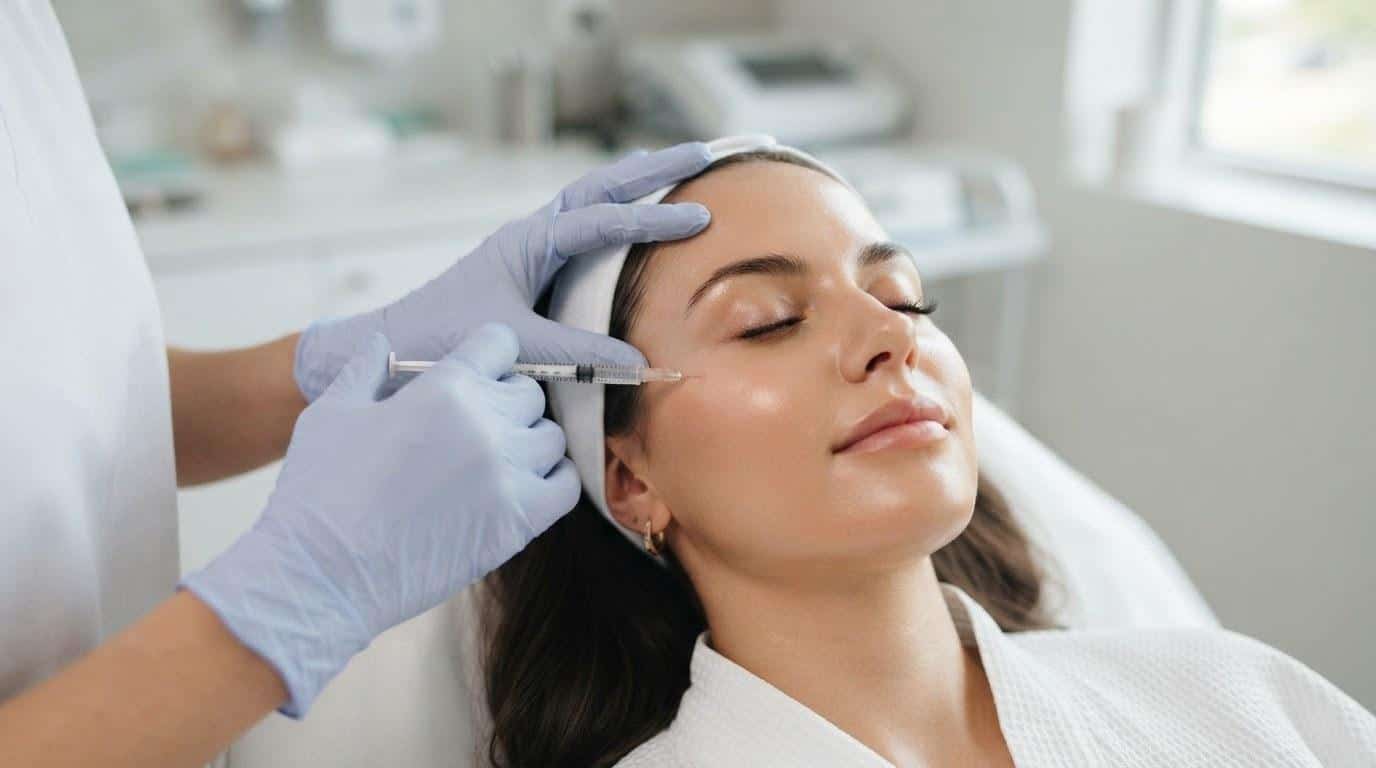
A first Botox appointment typically takes 30 to 45 minutes from check-in to walking out the door, with the actual injections taking only 10 to 15 minutes. The process is straightforward, but knowing what happens at each stage helps you feel confident going in.
- Consultation and facial assessment: Your injector reviews your medical history, discusses your goals, and assesses your muscle movement and skin quality. They will ask you to make various expressions to map the muscles they plan to treat.
- Consent and dosing plan: You review and sign an informed consent form. Your provider outlines the number of units and the specific injection points they recommend.
- Skin preparation: The treatment area is cleansed. Some providers apply a topical numbing cream, though most patients find the injections tolerable without it. The needle used is very fine, typically 30 to 32 gauge.
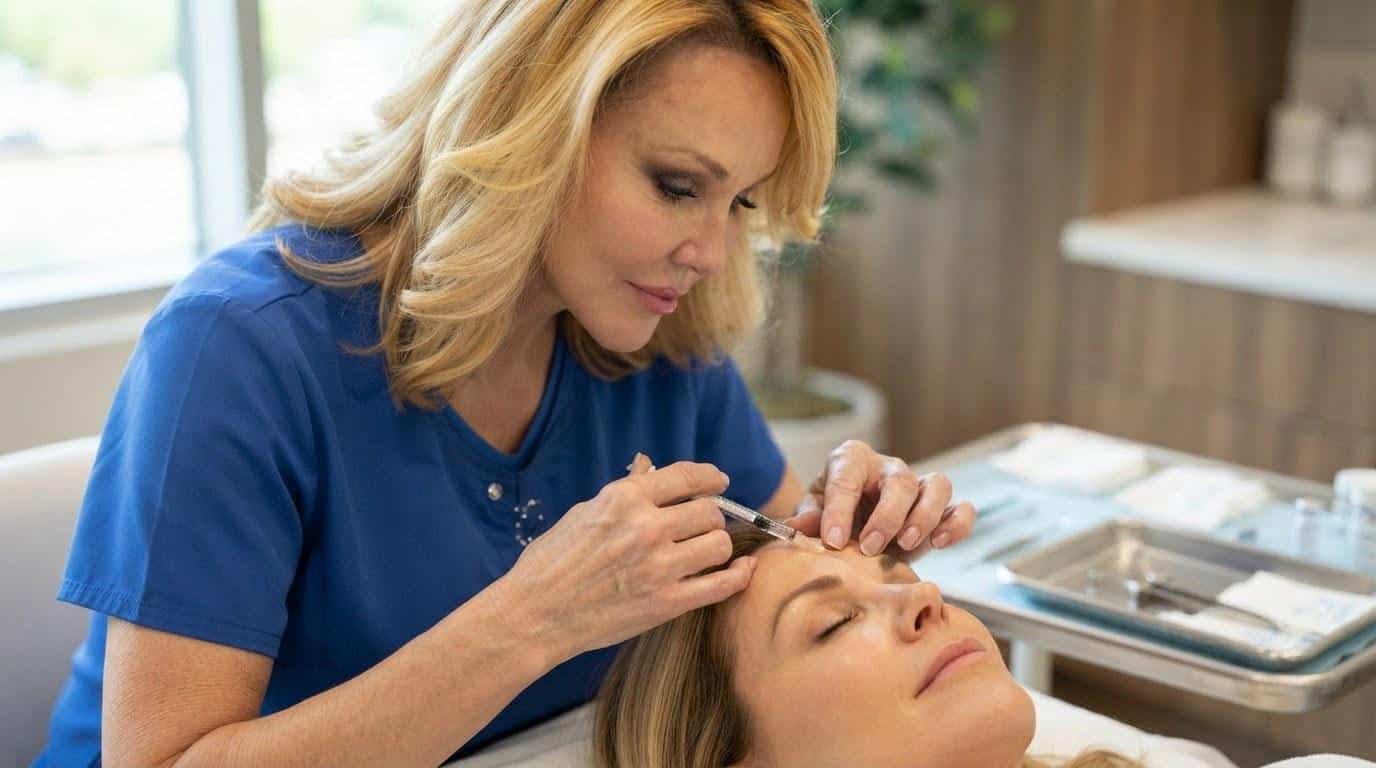
- Injections: Your injector places precise amounts of the product at targeted points. A full upper-face treatment typically involves 10 to 20 injection points. Each injection takes only a second.
- Post-treatment review: Your provider checks for any immediate redness or swelling, gives you aftercare instructions, and schedules a follow-up if needed.
Standard aftercare instructions include staying upright for 4 hours after treatment, avoiding vigorous exercise for 24 hours, and not rubbing or massaging the treated area for 24 hours. Most patients return to normal activities immediately.
Bruising is possible, particularly around the crow’s feet area where small vessels are close to the surface. It typically resolves within 5 to 7 days. Avoiding blood-thinning supplements like fish oil, vitamin E, and aspirin for about a week before your appointment can reduce that risk.
Who Is a Good Candidate for Botox?
Most healthy adults who have visible dynamic wrinkles or want to prevent them from deepening are candidates for Botox. There is no strict minimum age, but most providers begin seeing patients in their mid-to-late 20s who are interested in preventive treatment, and the majority of cosmetic patients are between 30 and 60 years old.
You are likely a good candidate if you:
- Have noticeable forehead lines, frown lines, or crow’s feet at rest or during expression
- Are in good general health and not pregnant or breastfeeding
- Have realistic expectations about the outcome (softening, not erasing)
- Are not allergic to any botulinum toxin product or its components
- Do not have a neuromuscular disorder such as ALS, myasthenia gravis, or Lambert-Eaton syndrome
Botox may not be the right primary treatment if your concern is primarily volume loss, skin laxity, or deep static lines that are present even when your face is completely relaxed. In those cases, dermal fillers, skin resurfacing treatments like microneedling or chemical peels, or a combination approach may be more effective. A thorough in-person assessment is the only reliable way to determine the right treatment plan for your anatomy.
Preventive Botox, sometimes called Baby Botox, has grown significantly in popularity among patients in their late 20s. The rationale is supported by how the skin works: if a muscle cannot fully contract over years, the skin above it has fewer opportunities to crease. Starting with lower doses at a younger age can slow the formation of deep static lines, though as of 2026 long-term comparative studies are still ongoing.
Our team sees patients across a wide range of starting points, from first-timers in their late 20s curious about prevention to patients in their 50s and 60s addressing deeper-set lines. In our experience, patients who have maintained consistent appointments every 3 to 4 months over two or more years typically require fewer total units per session than they did at their first appointment, as the muscles have gradually weakened from regular treatment.
Patients who have maintained consistent appointments every 3 to 4 months over two or more years typically require fewer total units per session than they did at their first appointment.
Ready to Book Your First Botox Appointment?
Choosing the right provider matters as much as choosing the right treatment. Botox is a prescription medication that should only be administered by or under the direct supervision of a licensed medical professional. In California, always confirm that your provider holds an active license with the appropriate state board before booking.
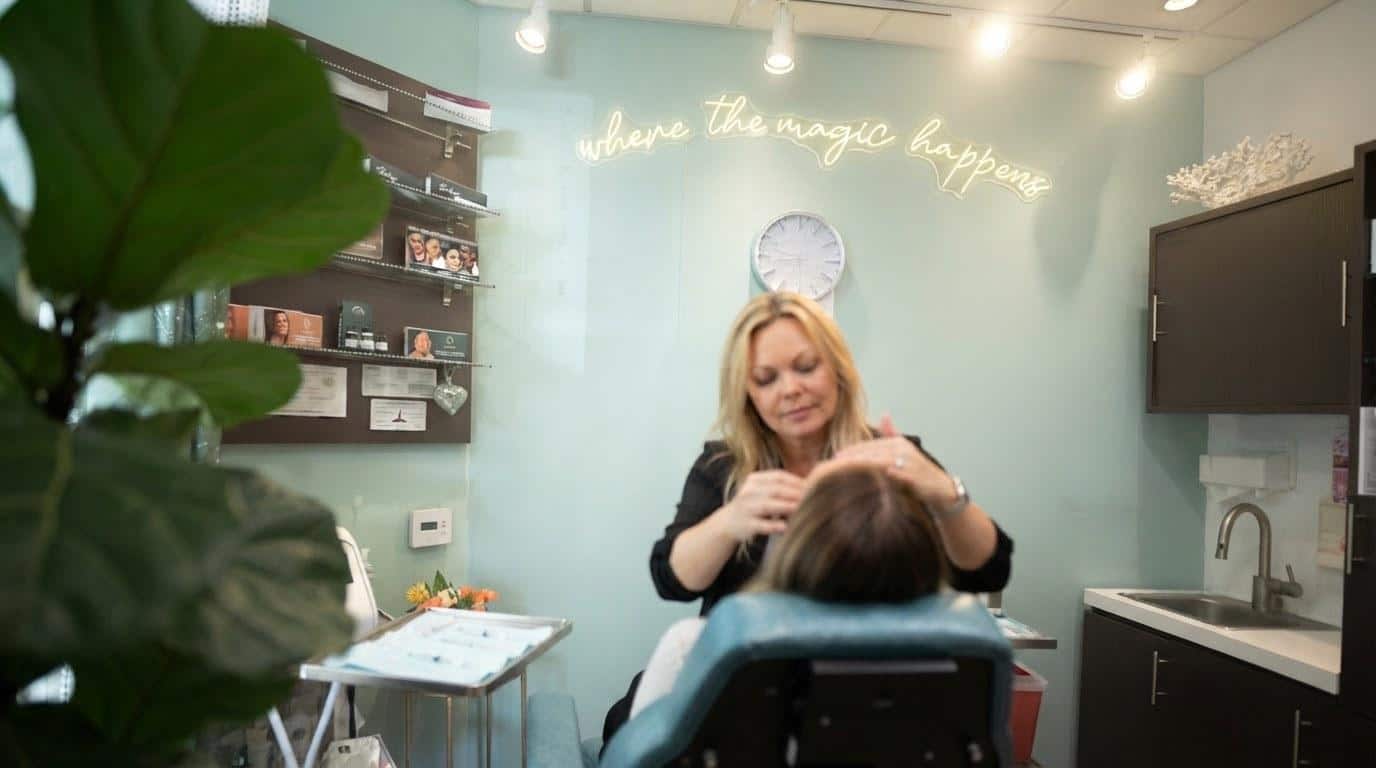
Beauty Solutions Med Spa in Woodland Hills offers Botox alongside Dysport, Daxxify, Jeuveau, and Xeomin, giving patients across Southern California access to the full range of neurotoxin options. Whether you are exploring what is Botox for the first time or looking to refine an existing routine, the team will build a treatment plan around your specific goals and anatomy.
Schedule your consultation today. Call (818) 860-0100 or visit Beauty Solutions Med Spa to book your appointment and get a personalized quote.
Frequently Asked Questions
How long does Botox actually last?
Botox results typically last 3 to 4 months for most patients. Factors like metabolism, muscle size, and how many units were used all affect duration. Some newer products like Daxxify showed results lasting up to 6 months in clinical trials. Patients who receive consistent treatments over time often find their results gradually last a little longer.
How long does it take for Botox to start working?
Most patients notice the first changes within 3 to 5 days after their appointment. Full results are typically visible by day 14. If you have a special event coming up, plan your appointment at least 2 weeks in advance to allow the results to settle completely.
How many units of Botox do I need for my forehead?
The forehead alone typically requires 10 to 20 units, though the exact amount depends on the size and strength of your muscles and how much movement your provider wants to preserve. Many providers treat the forehead together with the glabella (the 11 lines between the brows) to keep the brow position natural, which can bring the total to 30 to 40 units for the upper forehead area.
What is Botox made of, and is it safe?
Botox is made from a highly purified form of botulinum toxin type A, a protein produced by the bacterium Clostridium botulinum. The cosmetic doses used are tiny fractions of the amount that would cause any systemic effect. The FDA first approved Botox Cosmetic in 2002, and it has been studied in clinical use for over two decades. When administered by a licensed medical professional, it has a well-established safety profile.
What is the best med spa for a first Botox appointment in the Woodland Hills area?
For a first Botox appointment, look for a med spa where injections are performed by or directly supervised by a licensed physician, nurse practitioner, or registered nurse with specific aesthetic training. Beauty Solutions Med Spa in Woodland Hills offers consultations for new patients and carries multiple neurotoxin options including Botox, Dysport, Daxxify, Jeuveau, and Xeomin. Call (818) 860-0100 to schedule a consultation and discuss which product fits your goals.