
Best Botox Clinic: What to Look for Before You Book
Best Botox Clinic: What to Look for Before You Book
Finding the best botox clinic takes more than a quick search. This guide walks you through the credentials, questions, and warning signs that separate a safe, effective treatment from a risky one.
What Is Botox and How Does It Work?
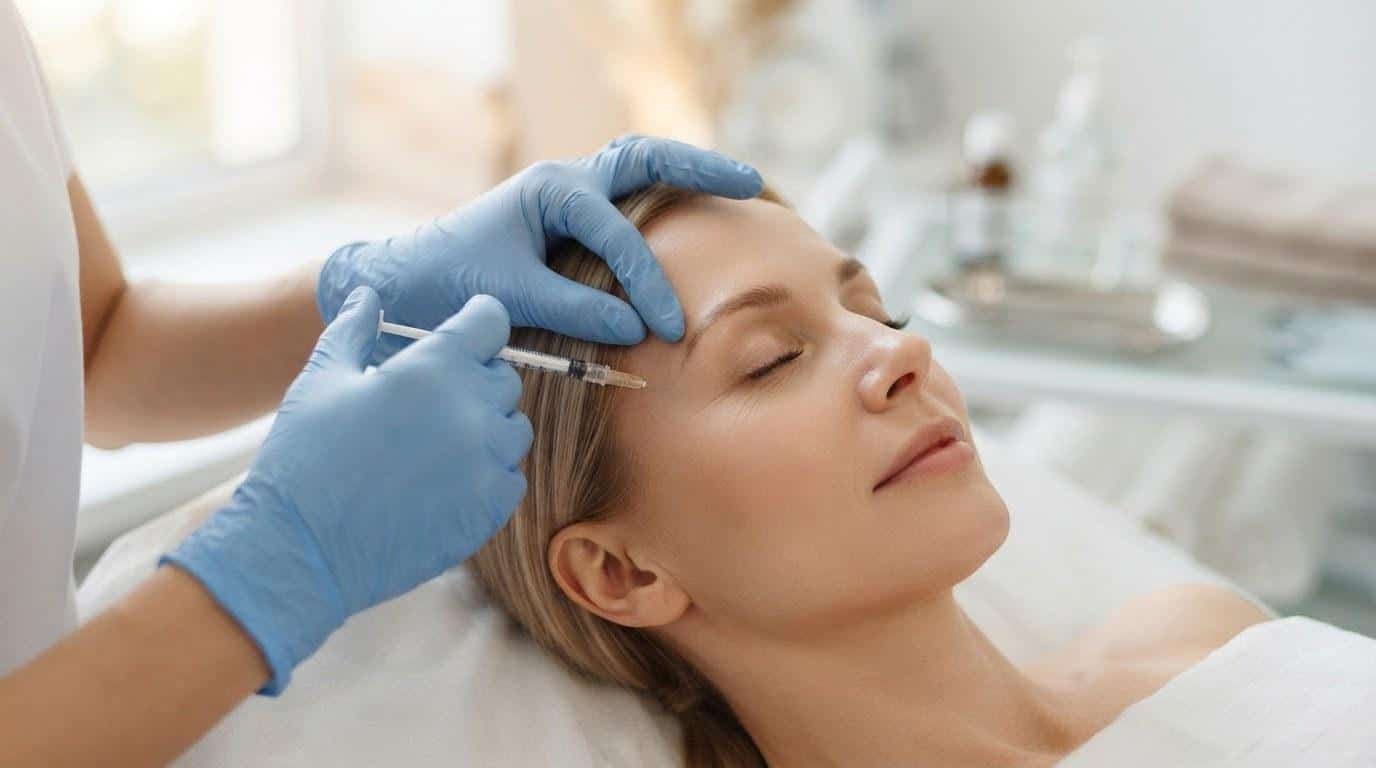
Botox is an injectable neurotoxin derived from a purified form of botulinum toxin type A. It temporarily relaxes the muscles responsible for expression lines, smoothing wrinkles on the forehead, between the brows, and around the eyes. The FDA first approved Botox Cosmetic for aesthetic use in 2002, and it remains one of the most studied cosmetic treatments available.
When a small amount is injected into a targeted muscle, it blocks the nerve signal that causes that muscle to contract. The result is softer lines and a more relaxed appearance. The treatment does not freeze your face when done correctly. A skilled injector leaves you looking refreshed, not expressionless.
Botox is not a filler. Dermal fillers add volume to areas like the cheeks or lips, while botox cosmetic treatments work by relaxing muscle movement. Many patients benefit from both, which is why clinics that offer botox and fillers together can address a wider range of concerns in one visit.

What Should You Look for in the Best Botox Clinic?
The single most important factor is who holds the needle. Botox injections must be performed by or directly supervised by a licensed medical professional, such as a physician, nurse practitioner, or registered nurse with specific aesthetic training. In California, the Medical Board and Board of Registered Nursing both set clear scope-of-practice rules for injectable treatments.
When evaluating any clinic, check for these qualities:
- Medical licensure: Confirm the injector holds an active California license. You can verify any medical professional’s license at the California Medical Board or the California Board of Registered Nursing.
- FDA-approved products only: The clinic should use FDA-approved neurotoxins such as Botox, Dysport, Daxxify, Jeuveau, or Xeomin. Ask by name. Unlicensed or imported neurotoxins are a serious safety risk.
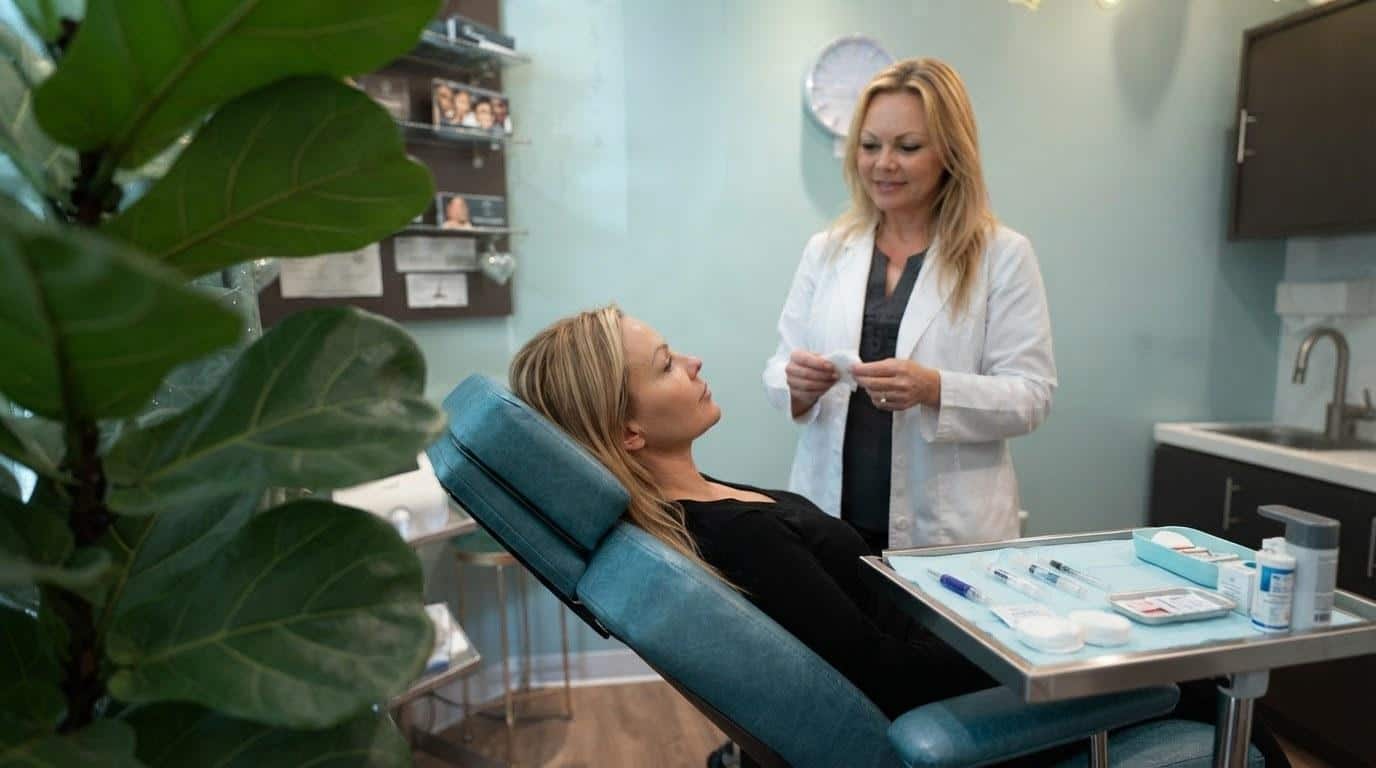
- A real consultation: A good injector asks about your medical history, medications, and goals before recommending a unit count. Anyone who skips this step is cutting corners.
- Before-and-after portfolio: Look for actual patient photos, not stock images. Results should look natural, not overdone.
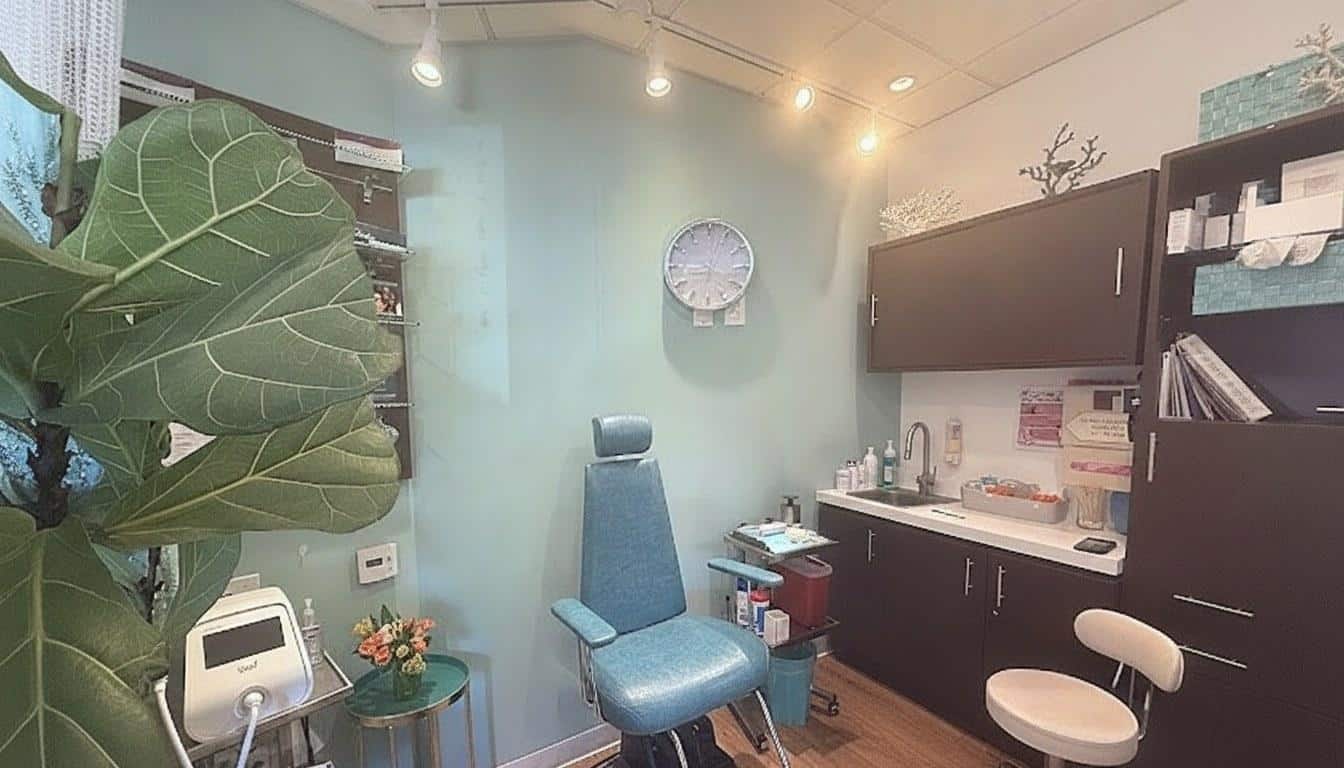
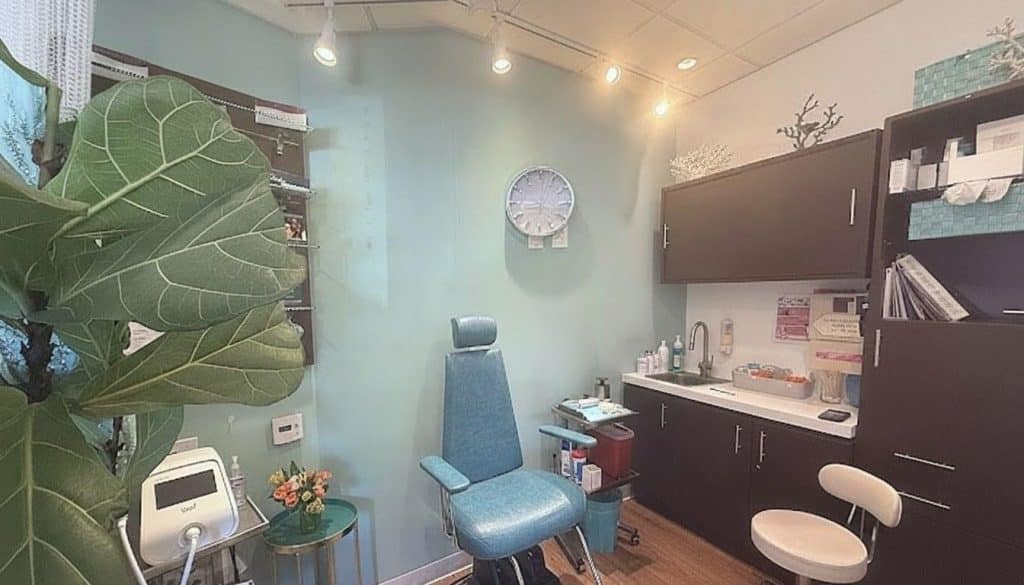
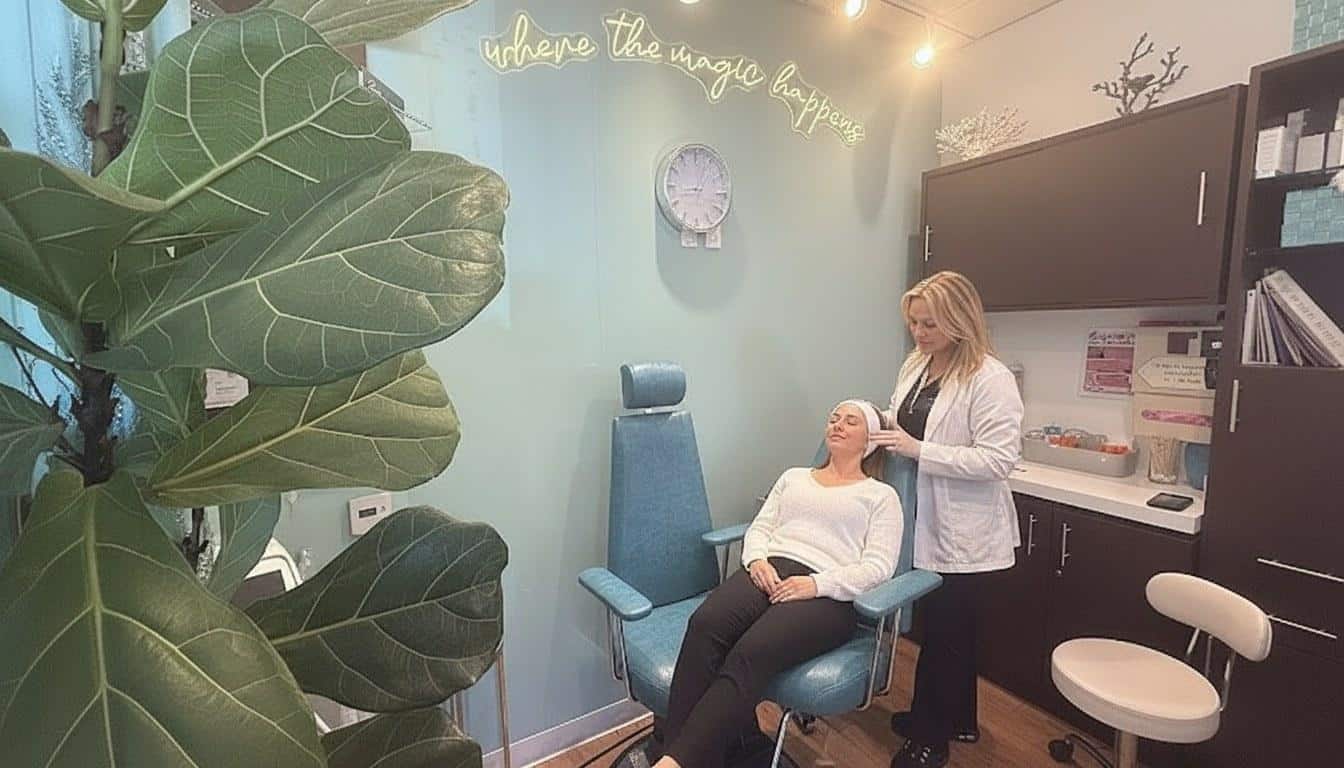
- Clean, clinical environment: The space should look and feel like a medical setting, not a salon back room. Proper sharps disposal, sterile technique, and a clean treatment area are non-negotiable.
- Transparent pricing: Pricing should be disclosed clearly, whether per unit or per area, before you agree to anything.
- Follow-up policy: A reputable clinic schedules a two-week follow-up to assess results and address any touch-up needs.
Our team at Beauty Solutions Med Spa sees patients who have come in after disappointing results elsewhere. In our experience, roughly 7 out of 10 of those cases involved a provider who skipped the consultation or used a product the patient could not verify by name.
How Do the Main Botox-Type Products Compare?
There are now five FDA-approved neurotoxins available in the United States, and each has a slightly different formulation, onset time, and duration. All work by the same basic mechanism, but the differences matter when you are choosing where to go and what to ask for.
| Product | FDA Approved | Typical Onset | Typical Duration | Best Known For |
|---|---|---|---|---|
| Botox Cosmetic | 2002 | 3 to 7 days | 3 to 4 months | Longest track record; widely studied |
| Dysport | 2009 | 2 to 5 days | 3 to 4 months | Faster onset; spreads slightly wider |
| Xeomin | 2011 | 3 to 7 days | 3 to 4 months | Purified formula with no accessory proteins |
| Jeuveau | 2019 | 3 to 5 days | 3 to 4 months | Modern formulation; popular with younger patients |
| Daxxify | 2022 | 1 to 2 days | 6 to 9 months | Longest-lasting neurotoxin currently approved |
Daxxify, approved by the FDA in 2022, is notable because its peptide-based formulation allows it to last significantly longer than the others. For patients who want fewer appointments per year, it is worth discussing with your injector. The right product depends on your anatomy, the area being treated, and your personal goals.
A clinic that carries multiple neurotoxins can tailor the treatment to you rather than defaulting to whatever they stock. This flexibility is one of the markers of a genuinely patient-centered practice.
A clinic that carries multiple neurotoxins can tailor the treatment to you rather than defaulting to whatever they stock.
How Much Does Botox Cost in Southern California?
In the Southern California market, botox injections typically range from $12 to $20 per unit, depending on the provider’s credentials, the product used, and the geographic area. Treatment areas vary in how many units they require, which is why total session costs differ so much from patient to patient.
Here is a general breakdown of typical unit counts by treatment area:
- Forehead lines: 10 to 20 units on average
- Glabellar lines (between the brows): 20 to 25 units
- Crow’s feet (both sides): 10 to 24 units total
- Brow lift: 2 to 5 units per side
- Lip lines or lip flip: 4 to 6 units
- Chin dimpling: 2 to 6 units
- Neck bands (platysmal bands): 25 to 50 units
A first-time patient treating the forehead and glabella together might use 30 to 45 units, putting a typical session in the $360 to $900 range in this market. Daxxify is generally priced higher per session given its longer duration, but many patients find the cost per month of effect is comparable to standard neurotoxins.
Be cautious of pricing that seems dramatically lower than the market range. Deep discounts can indicate diluted product, undertrained staff, or a bait-and-switch upsell once you arrive. For an accurate quote based on your specific goals, request a consultation rather than booking on price alone. Call (818) 860-0100 to get a personalized assessment from Beauty Solutions Med Spa.
What Mistakes Should You Avoid When Choosing a Clinic?
The biggest mistake patients make is choosing a provider based on price or convenience alone, without verifying credentials or asking about the product being used. Here are the most common pitfalls to avoid:
- Booking at a spa or salon without medical oversight: In California, botox injections require a licensed medical professional. Estheticians, cosmetologists, and unlicensed practitioners cannot legally perform these injections.
- Skipping the consultation: A provider who books you without a consultation has no way to assess your anatomy, review your health history, or recommend the right product and unit count.
- Choosing based on a social media deal alone: Flash sales and group-buy discounts are not inherently bad, but they should never replace a credential check. Verify the injector’s license before anything else.
- Not asking what product is being used: You have every right to know the brand and lot number of what is being injected into your face. If a provider refuses to share this, walk away.
- Ignoring aftercare instructions: Lying down within 4 hours of treatment, rubbing the injection sites, or exercising intensely the same day can cause the product to migrate. Follow your provider’s instructions carefully.
- Expecting permanent results: Botox cosmetic treatments are temporary by design. Planning for maintenance appointments every 3 to 4 months (or every 6 to 9 months with Daxxify) is part of the commitment.
- Not disclosing medications: Blood thinners, certain antibiotics, and muscle relaxants can interact with neurotoxins or increase bruising risk. Always give your full medication list at the consultation.
What Should You Expect During and After Your Appointment?
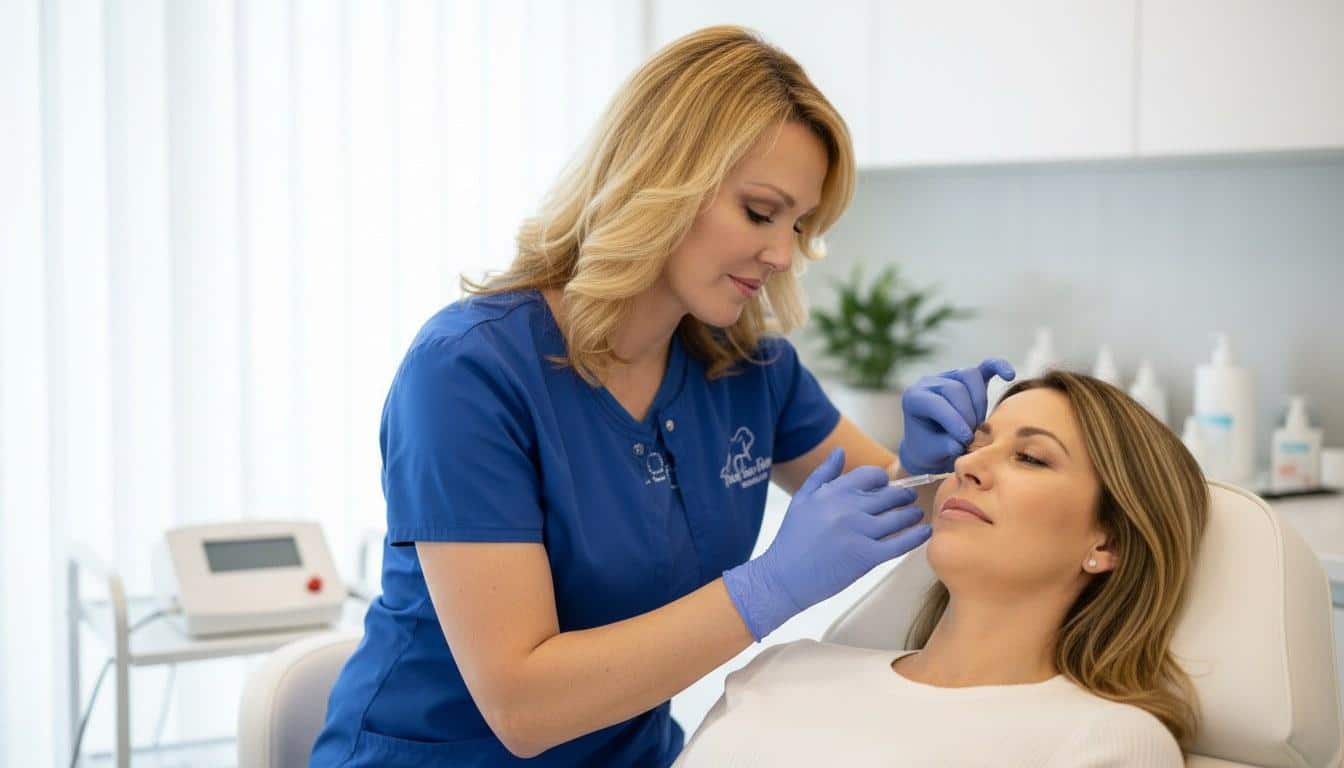
A standard botox appointment at a reputable clinic takes 30 to 45 minutes from check-in to checkout, with the actual injection portion lasting just 10 to 15 minutes. Most patients describe the sensation as a small pinch at each injection point. Topical numbing cream is available but rarely necessary.
Here is what a well-run appointment looks like step by step:
- Intake and health review: You complete or update your medical history form, listing current medications and any prior neurotoxin treatments.
- Consultation with the injector: The provider examines your facial anatomy, discusses your goals, and recommends a unit count and product. This is the time to ask every question you have.
- Pre-treatment photos: The clinic photographs your face in multiple expressions to document your baseline and track results.
- Cleansing and marking: The treatment area is cleaned and, for precise placement, injection points may be marked.
- Injections: The injector administers the neurotoxin using a very fine needle. Most areas require 3 to 8 injection points.
- Post-treatment review: The provider reviews aftercare instructions and schedules your two-week follow-up.
You may notice small bumps or mild redness at injection sites immediately after. These typically resolve within 20 to 30 minutes. Bruising is possible, especially around the eye area, and can last 3 to 7 days. Results begin to appear within 3 to 7 days and reach full effect by day 14, which is why the follow-up appointment matters.
According to the U.S. Food and Drug Administration, serious adverse events from botox cosmetic are rare when the product is used as directed by a trained professional. The risk increases significantly when injections are performed outside a medical setting or with non-approved products.
We see patients across the San Fernando Valley and greater Los Angeles area. In our experience, first-time patients who come in for a consultation rather than booking blind report significantly higher satisfaction with their results, because the treatment plan is built around their specific anatomy rather than a one-size approach.
Ready to Book with a Clinic You Can Trust?
Choosing the best botox clinic comes down to three things: verified credentials, FDA-approved products, and an injector who listens before they treat. When those three elements are in place, the results speak for themselves.
Beauty Solutions Med Spa, located in Woodland Hills, offers Botox, Dysport, Daxxify, Jeuveau, and Xeomin, along with a full menu of dermal fillers and skin treatments tailored to your goals. Every treatment begins with a thorough consultation and is performed by a licensed medical professional in a clean, clinical setting.
Schedule your consultation today. Call (818) 860-0100 or visit us online to book your appointment. Serving patients across Los Angeles County and the surrounding Southern California region.
Related Articles
Frequently Asked Questions
How long does botox usually last?
Botox typically lasts 3 to 4 months for most patients. Daxxify, a newer FDA-approved neurotoxin, can last 6 to 9 months. Your metabolism, the area treated, and the number of units used all affect how long your results hold.
How many units of botox do I need for my forehead?
Most patients need 10 to 20 units for horizontal forehead lines alone. If you are also treating the area between your brows, add another 20 to 25 units. Your injector will assess your muscle strength and movement at the consultation to recommend the right count for you.
How long does it take for botox to start working?
Most patients see the first results within 3 to 7 days after their appointment. Full results appear by day 14, which is why reputable clinics schedule a follow-up at the two-week mark to evaluate the outcome and address any touch-up needs.
What is botox actually made of?
Botox is made from onabotulinumtoxinA, a highly purified form of botulinum toxin type A. The FDA has approved it for cosmetic use since 2002. The amount used in aesthetic treatments is a tiny, controlled dose far below any level associated with systemic effects.
How do I know if a botox clinic is legitimate?
Verify that the injector holds an active California medical license, which you can check on the California Medical Board or Board of Registered Nursing websites. The clinic should use named FDA-approved products, require a consultation before treatment, and operate in a clean clinical environment. If a provider cannot tell you exactly what product they are injecting, that is a serious red flag.
