Best Botox Clinic: What to Look for Before You Book
Best Botox Clinic: What to Look for Before You Book
Not all botox clinics are created equal. This guide walks you through exactly what to look for — credentials, technique, consultation quality, and cost — so you book with confidence.
What Is Botox and How Does It Actually Work?
Botox is an FDA-approved injectable treatment made from a purified form of botulinum toxin type A. It works by temporarily blocking nerve signals to targeted muscles, which relaxes them and softens the lines and wrinkles they cause. The FDA first approved Botox Cosmetic for frown lines between the brows in 2002, and since then approval has expanded to include forehead lines and crow’s feet.
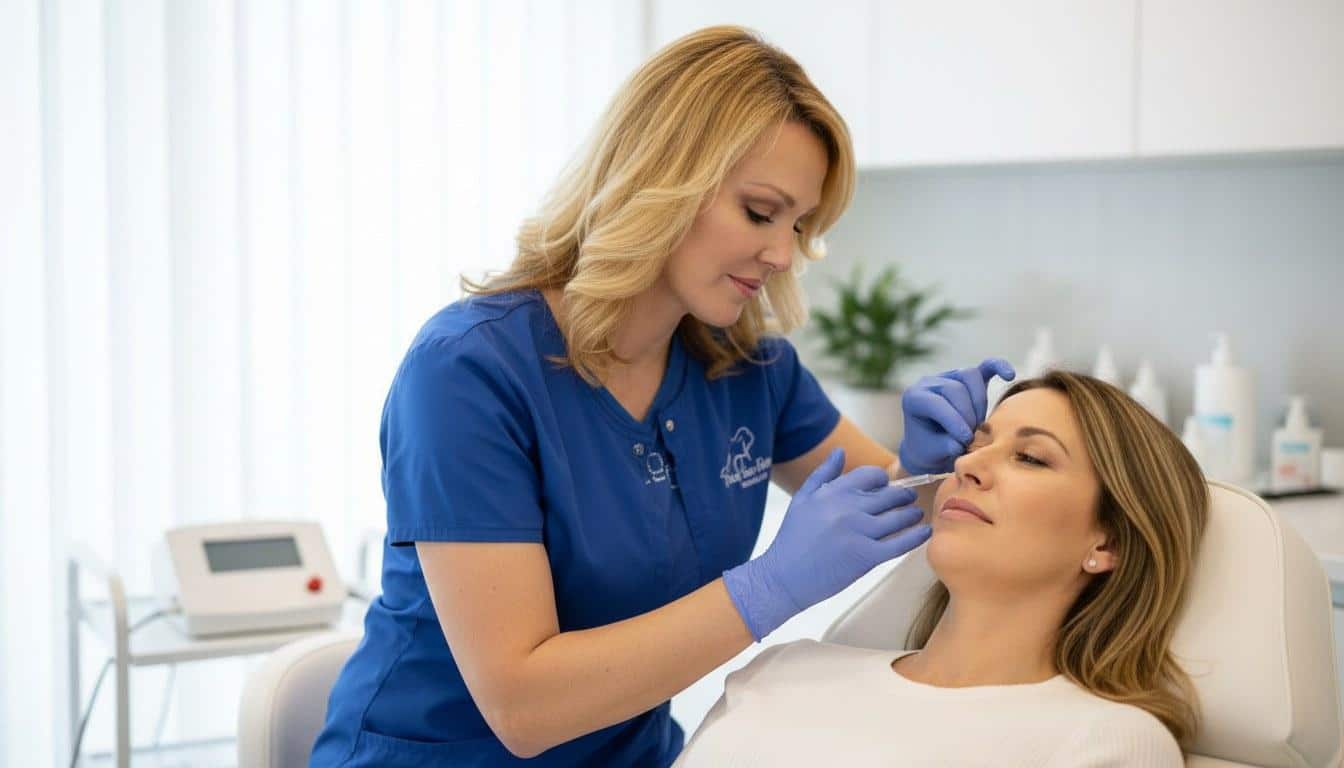
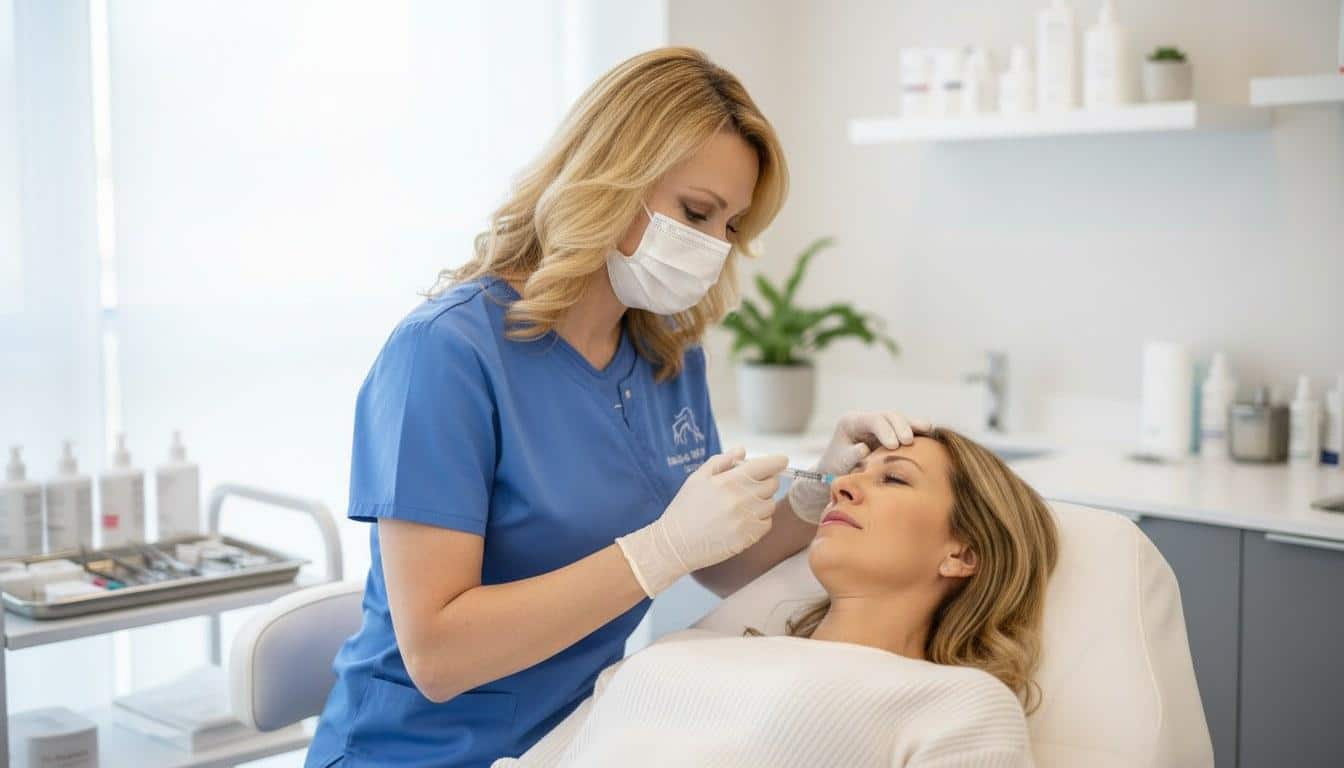
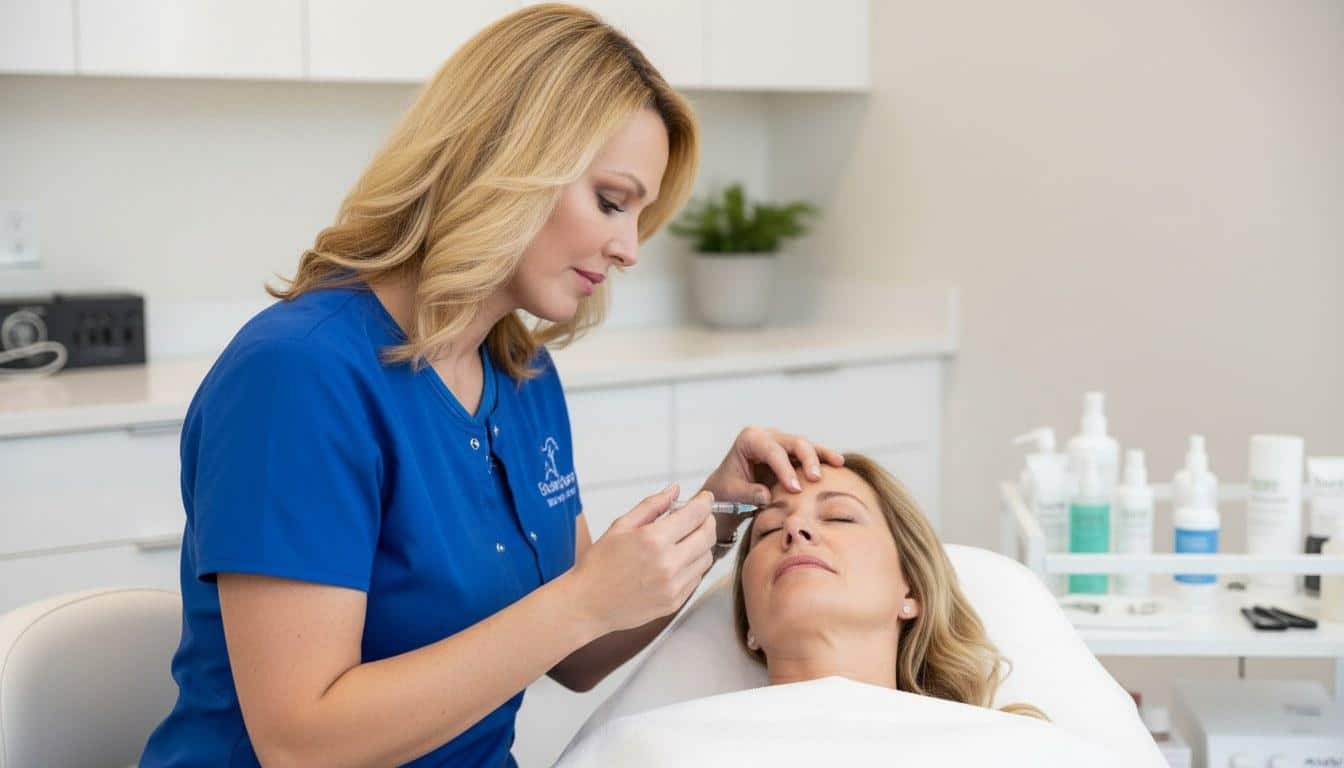
The treatment itself takes about 10 to 15 minutes. A trained injector uses a very fine needle to place small amounts of the toxin into specific facial muscles. Most patients feel only mild pinching and return to normal activity the same day.
Results typically appear within 3 to 7 days and reach full effect around the 2-week mark. The effects last 3 to 4 months on average, though first-time patients sometimes see results fade a bit sooner while repeat patients often enjoy longer-lasting outcomes as the targeted muscles gradually weaken over time.
Botox is most commonly used on the upper face — forehead lines, the glabellar lines between the brows (often called “11s”), and crow’s feet around the eyes. Off-label uses include brow lifting, lip lines, chin dimpling, neck bands, and even jaw slimming by relaxing the masseter muscle.
What Credentials Should the Best Botox Clinic Have?
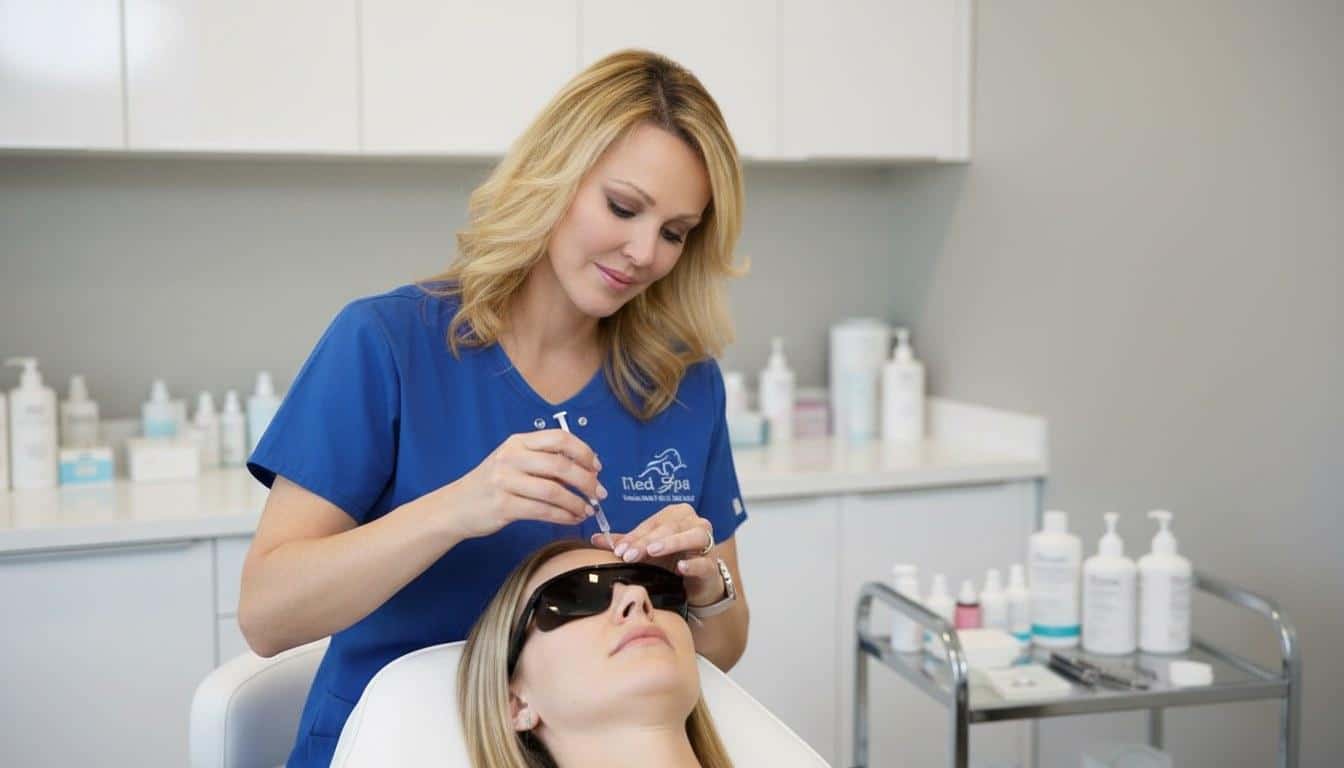
The single most important factor when choosing a botox clinic is the credential of the person actually holding the needle. In California, botox injections must be performed by or under the direct supervision of a licensed physician, nurse practitioner, physician assistant, or registered nurse with appropriate delegation. A medical spa operating without a supervising physician on record is out of compliance with California Medical Board guidelines.
Here is what to verify before you book:
- Medical license: Confirm the injector holds an active California license. You can verify any medical professional’s license through the California Medical Board or the Board of Registered Nursing online lookup tools.
- Botox-specific training: Ask whether the provider has completed formal training in facial anatomy and injection technique — not just a weekend certification course.
- Supervising physician: A med spa must have a licensed physician as medical director. Ask who that person is and whether they are on-site during treatments.
- Authentic product: The clinic should use FDA-approved Botox Cosmetic (onabotulinumtoxinA) sourced directly from Allergan, not gray-market or counterfeit alternatives.
- Malpractice insurance: Any reputable clinic carries liability coverage. This protects you if something goes wrong.
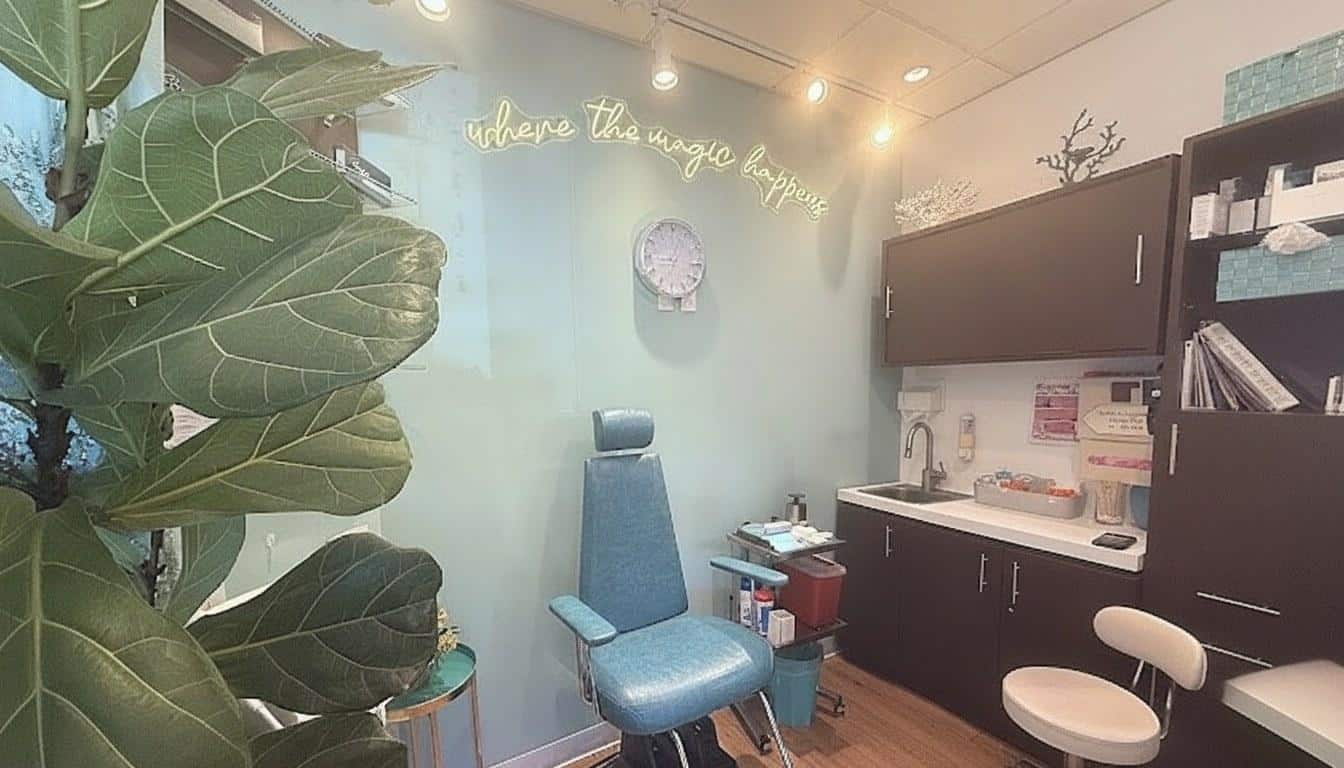
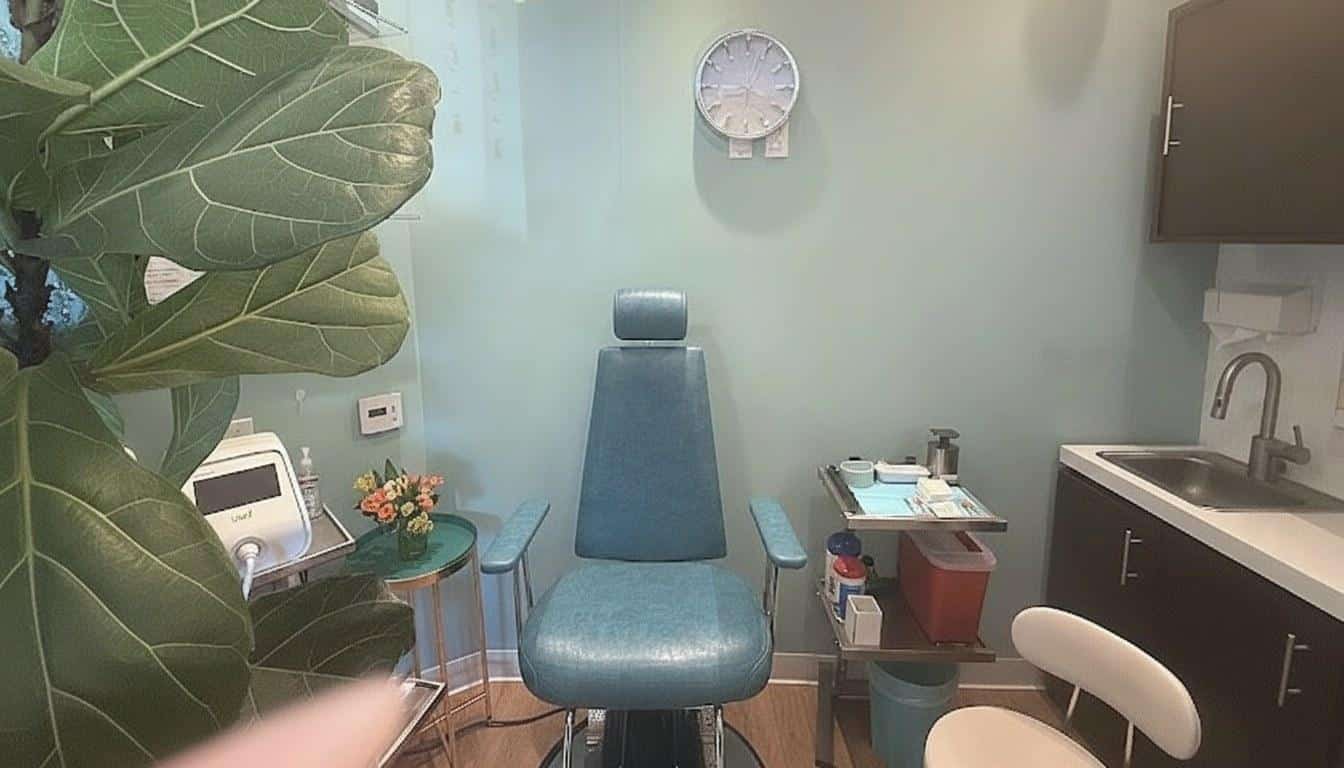
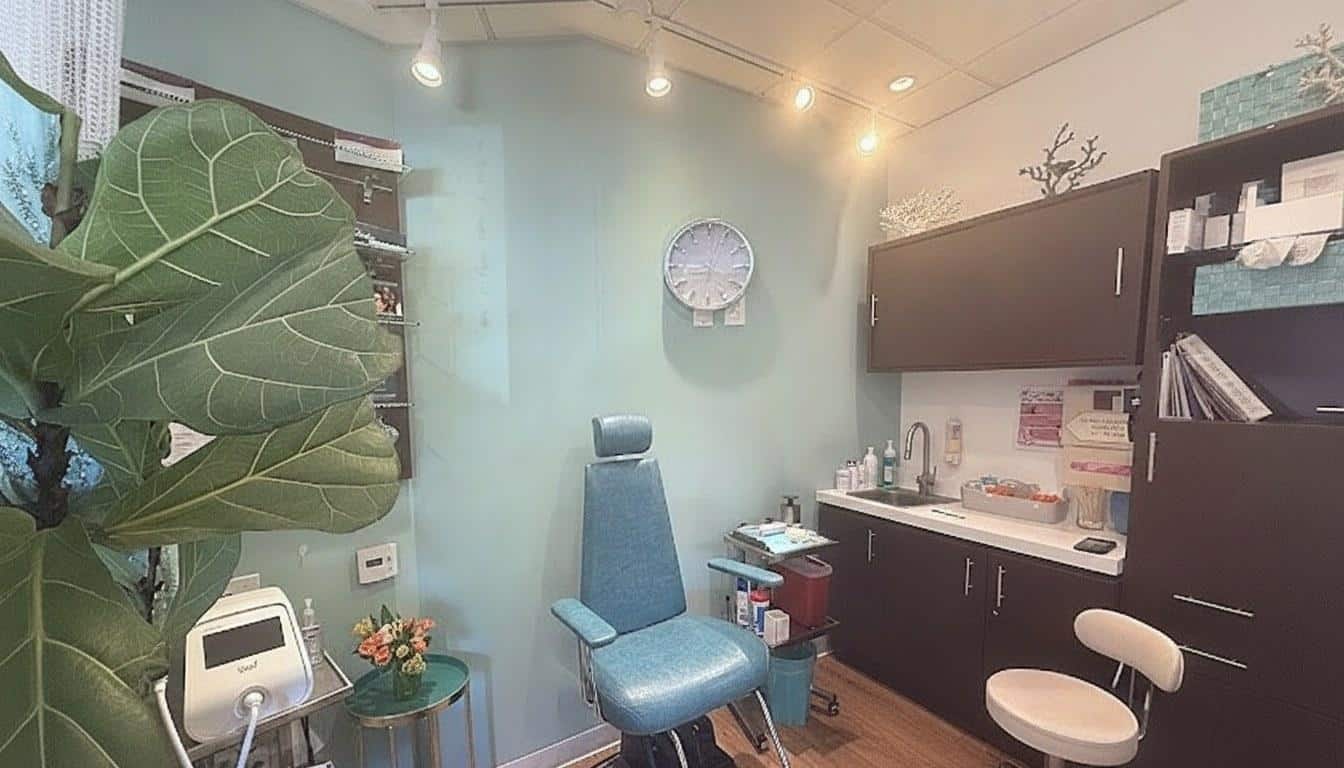
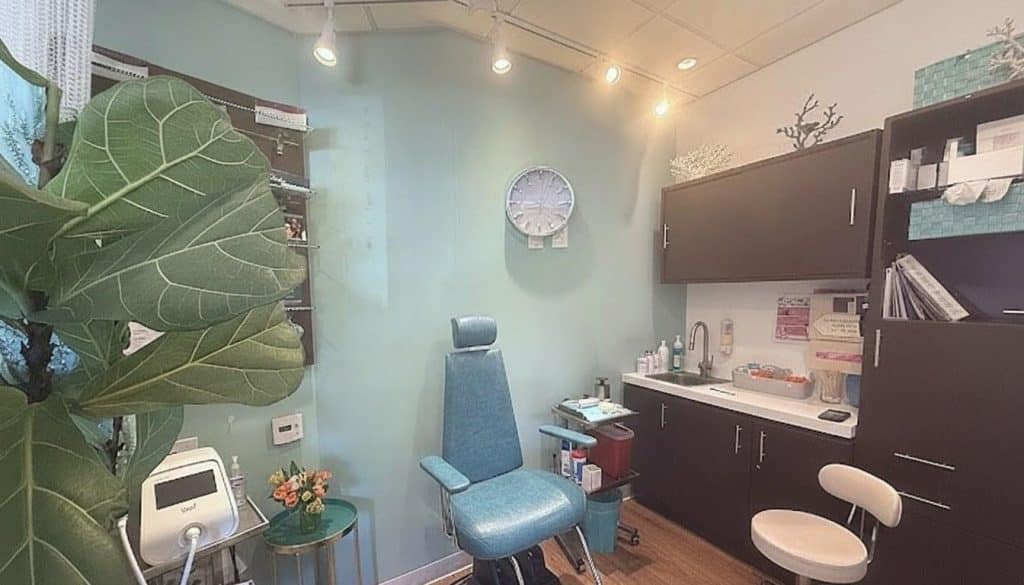
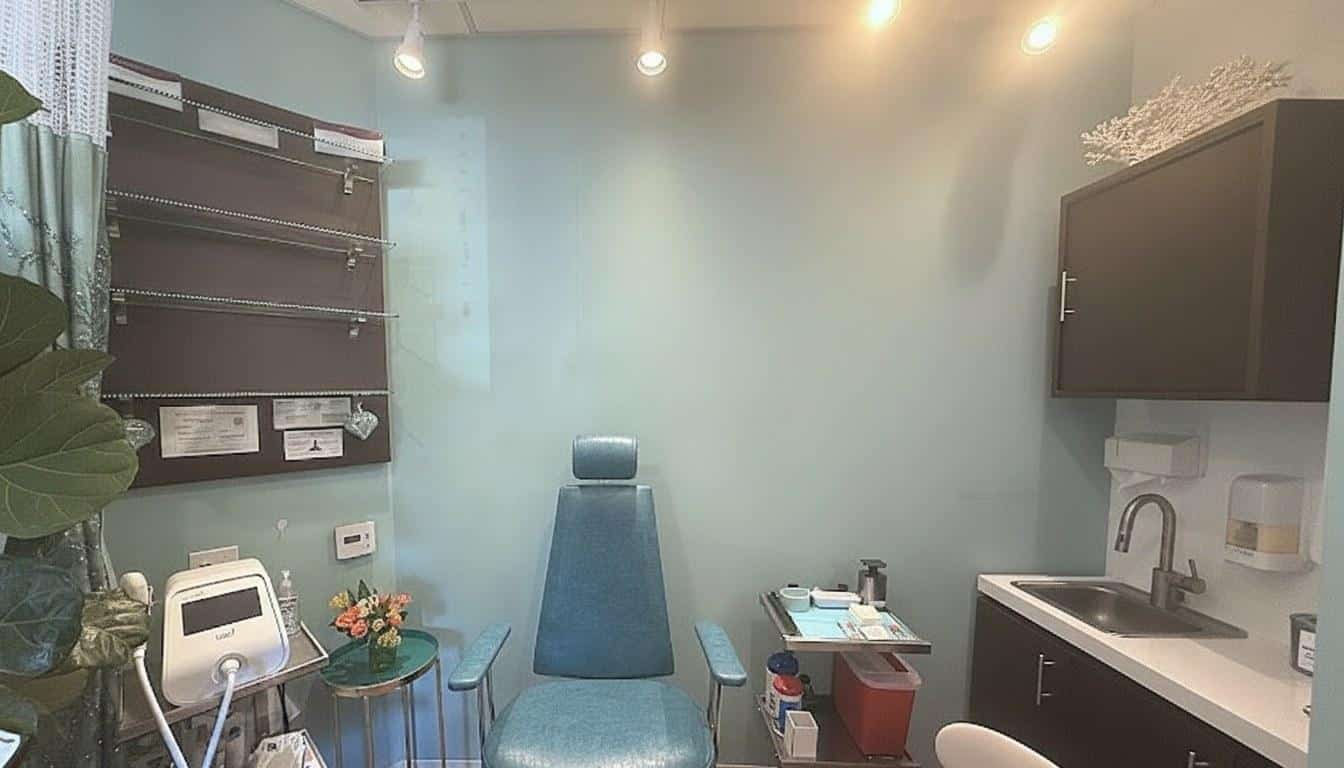
- Clean, clinical environment: The treatment space should look and feel like a medical setting — not a back room or pop-up.
Our team has seen a meaningful uptick in patients coming to us after receiving diluted or improperly placed injections elsewhere — in roughly 1 in 5 new consultations, the patient reports a previous result that lasted under 6 weeks, which is a strong signal of under-dosing or poor product handling.
In roughly 1 in 5 new consultations, the patient reports a previous result that lasted under 6 weeks — a strong signal of under-dosing or poor product handling.
What Questions Should You Ask Before Booking a Botox Appointment?
A thorough consultation is the clearest sign of a quality clinic. Any provider who skips a face-to-face assessment and goes straight to booking is cutting a corner that matters. The consultation is where the injector evaluates your muscle movement, skin quality, and goals — and where you assess whether you trust them.
Bring these questions to every consultation:
- How many botox treatments do you perform per month, and how long have you been injecting?
- Can I see before-and-after photos of patients with similar concerns to mine?
- What brand of botulinum toxin do you use, and where is it sourced?
- How many units do you recommend for my treatment area, and why?
- What happens if I am unhappy with my results — is there a follow-up policy?
- What are the most common side effects, and how do you manage them?
- Who is the supervising physician, and are they available if a complication arises?
A good injector will answer all of these without hesitation. If you feel rushed, pressured, or dismissed during the consultation, that is your signal to look elsewhere. The best botox clinic treats the consultation as a required step, not an inconvenience.
How Much Does Botox Cost — and What Drives the Price?
In the Southern California market, botox is typically priced either per unit or per treatment area, and the total cost depends heavily on how many units are needed. Regional market rates generally range from $12 to $20 per unit, though premium medical spas with highly experienced injectors may price above that range.
Here is what moves the price up or down:
- Number of units: Forehead lines typically require 10 to 20 units. Crow’s feet use 6 to 15 units per side. The glabellar “11s” often need 20 to 25 units. Treating all three areas in one session can total 40 to 60 units.
- Provider experience: A board-certified physician or highly trained nurse injector commands a higher rate than a newly licensed provider — and that premium is usually worth it.
- Clinic overhead: A full-service medical spa with a physician on staff and pharmaceutical-grade product will cost more than a discount pop-up. That difference reflects real safety infrastructure.
- Geographic market: Clinics serving communities across the San Fernando Valley and surrounding areas of Los Angeles County tend to reflect the broader Southern California market, where demand supports mid-to-premium pricing.
- Promotions and packages: Many clinics offer loyalty pricing for returning patients or seasonal specials. These are legitimate ways to reduce cost without sacrificing quality — as long as the product and provider remain the same.
Be cautious of pricing that seems dramatically below market. Botox that is heavily discounted is often diluted (more saline added per vial, reducing potency) or sourced from unverified suppliers. The FDA has issued warnings about counterfeit botulinum toxin products entering the U.S. market — a risk that is real and not theoretical.
For a personalized cost estimate based on your treatment goals, request a custom quote from a qualified provider rather than relying on any published range.
How Do You Compare Botox Clinics Side by Side?
Comparing clinics on the right criteria — not just price — is what separates a great outcome from a disappointing one. Use the table below to evaluate any clinic you are considering.
| Evaluation Factor | What a Strong Clinic Offers | Red Flag to Watch For |
|---|---|---|
| Injector credentials | Licensed MD, NP, PA, or RN with facial anatomy training | Unlicensed aesthetician or no stated credential |
| Consultation process | In-person assessment of muscle movement and skin before booking | No consultation — book and inject same visit with no evaluation |
| Product authenticity | FDA-approved Botox Cosmetic from Allergan, lot number available | Vague about brand or source; unusually low price per unit |
| Follow-up policy | 2-week follow-up appointment included to assess results | No follow-up offered; results are “your problem” after you leave |
| Medical oversight | Supervising physician on record and reachable for complications | No physician on staff; no emergency protocol disclosed |
| Transparency on units | Tells you exactly how many units are being used and why | Charges a flat “area” fee with no unit disclosure |
| Before-and-after portfolio | Real patient photos showing natural, consistent results | Stock photos or no portfolio available |
When you visit a clinic for a consultation, pay attention to how the staff communicates. Do they explain the process clearly? Do they ask about your medical history and any medications you take? Certain blood thinners and supplements — including aspirin, ibuprofen, fish oil, and vitamin E — can increase bruising risk and should be disclosed before treatment.
What Mistakes Should You Avoid When Choosing a Botox Provider?
The most common mistake people make is choosing a botox clinic based on price alone. The second most common is skipping the consultation entirely and booking based on a social media ad. Both shortcuts dramatically increase the risk of a poor result — or worse, a safety issue.
Avoid these pitfalls:
- Booking a “Botox party”: Home or party-setting injections bypass the sterile environment and medical oversight that safe treatment requires. California law requires botox to be administered in a clinical setting under physician supervision.
- Ignoring the injector’s background: Ask specifically who will be injecting you — not just who owns the clinic. In some facilities, the physician consults but a less-experienced staff member performs the treatment.
- Chasing the frozen look: Over-injection is a real risk with inexperienced providers. A skilled injector uses the minimum effective dose to preserve natural expression. If a clinic pushes you toward more units than your consultation suggests you need, that is a warning sign.
- Skipping the medical history review: Botox is contraindicated in patients with certain neuromuscular disorders, and it interacts with some antibiotics and muscle relaxants. A clinic that does not ask about your health history is skipping a required safety step.
- Not asking about the follow-up: A reputable clinic schedules a 2-week check-in to assess results and offer a touch-up if needed. If no follow-up is offered, you have no recourse if the result is uneven.
- Relying on reviews alone: Five-star reviews matter, but they cannot tell you the injector’s credential level or whether the product is authentic. Verify credentials independently through California licensing boards.
- Waiting too long between sessions: The American Academy of Dermatology notes that consistent treatment every 3 to 4 months helps maintain results and can gradually reduce the number of units needed over time.
We also see patients who waited until deep static lines had fully set in before starting treatment. Botox works best on dynamic lines — wrinkles caused by muscle movement. Starting treatment before lines become permanently etched into the skin at rest produces far better outcomes and typically requires fewer units per session.
Ready to Book Your Botox Consultation?
Choosing the right clinic is the most important decision in your botox journey — and the checklist above gives you everything you need to evaluate any provider with confidence. If you are looking for a trusted medical spa serving communities across Los Angeles County and the surrounding region, Beauty Solutions Med Spa offers botox consultations with licensed medical providers in a fully supervised clinical setting.
Schedule your consultation today. Call (818) 860-0100 to speak with a team member or book your appointment. A thorough consultation is always the first step — no pressure, no rush, just an honest assessment of your goals and the best path to achieve them.
Frequently Asked Questions
How long does botox actually last?
Botox typically lasts 3 to 4 months for most patients. First-time patients sometimes see results fade closer to the 2.5-month mark, while patients who have maintained regular treatments for a year or more often enjoy results that stretch toward 4 to 5 months. The treatment area, the number of units used, and your individual metabolism all affect duration.
How many units of botox do I need for my forehead?
Forehead lines typically require 10 to 20 units, depending on the strength of your frontalis muscle and the depth of your lines. The glabellar area between the brows — the "11s" — usually needs 20 to 25 units on its own. Your injector should assess your muscle movement during the consultation and give you a specific unit recommendation before treatment begins.
How do I know if a botox clinic is safe and legitimate?
Verify that the person injecting you holds an active California medical license — you can check this through the California Medical Board's public lookup tool. The clinic should have a supervising physician on record, use FDA-approved Botox Cosmetic from Allergan, and conduct a full in-person consultation before any treatment. A clinic that skips any of these steps is cutting corners on your safety.
How long does it take for botox to work after the injection?
Most patients start to notice results within 3 to 5 days of their botox treatment. Full results are typically visible at the 10 to 14-day mark. Reputable clinics schedule a follow-up appointment at 2 weeks to assess the outcome and offer a complimentary touch-up if any area needs adjustment.
Is botox safe, and what are the most common side effects?
Botox Cosmetic has an established safety record with millions of treatments performed annually since its FDA approval. The most common side effects are mild bruising, redness, or swelling at the injection site, which typically resolve within 24 to 72 hours. Headache and temporary eyelid heaviness are less common but possible, and are most often linked to improper injection technique — another reason injector skill matters so much.