

Chemical Peel Before and After: What to Expect at Every Stage
Chemical Peel Before and After: What to Expect at Every Stage
A chemical peel removes damaged outer skin layers to reveal smoother, brighter skin underneath. This guide walks you through every stage, from prep to full recovery.
How Does a Chemical Peel Actually Work?
A chemical peel applies an acid solution to the skin that loosens and removes the outermost damaged layers, signaling the body to produce fresh collagen and new skin cells. The result is smoother texture, more even tone, and reduced signs of aging over the following days and weeks.
The acids used — most commonly glycolic acid, salicylic acid, lactic acid, trichloroacetic acid (TCA), or phenol — work by breaking the bonds that hold dead and damaged skin cells together. Once those cells shed, healthier skin underneath becomes visible. This process also stimulates collagen production, which is why a chemical face peel can improve fine lines and firmness over time.
Chemical peels are one of the most well-studied anti-aging treatments available. According to the American Academy of Dermatology, chemical peels can address acne, acne scars, uneven pigmentation, sun damage, and fine lines — making them one of the most versatile facial treatments in a med spa setting.
What Are the Different Types of Chemical Peels?
Chemical peels fall into three depth categories: superficial, medium, and deep. The right choice depends on your skin concerns, skin tone, downtime tolerance, and a provider’s assessment of your skin.
Here is how the three types compare:
| Peel Type | Common Acids Used | Skin Concerns Addressed | Typical Downtime |
|---|---|---|---|
| Superficial (Light) | Glycolic acid, lactic acid, salicylic acid | Dullness, mild uneven tone, mild acne | 1 to 3 days |
| Medium | TCA (trichloroacetic acid), Jessner’s solution | Sun damage, fine lines, moderate pigmentation | 5 to 7 days |
| Deep | Phenol, high-concentration TCA | Deep wrinkles, severe sun damage, significant scarring | 10 to 14 days or more |
Superficial peels are the most common choice for first-time patients or those with minimal downtime. They use lower acid concentrations and typically require a series of 4 to 6 treatments spaced 2 to 4 weeks apart for best results. Medium peels deliver more noticeable changes in a single session. Deep peels are the most intensive and are performed less frequently — often just once, with a longer recovery.
Skin tone is an important factor. People with deeper skin tones have a higher risk of post-inflammatory hyperpigmentation with stronger acids. A qualified provider will evaluate your Fitzpatrick skin type before recommending a peel depth. The U.S. Food and Drug Administration notes that AHAs like glycolic acid are among the most commonly used cosmetic peel agents and require sun protection during and after use.
How Should You Prepare for a Chemical Peel?
Proper preparation reduces the risk of complications and helps the peel work more evenly. Most providers will give you a prep protocol to follow for 2 to 4 weeks before your appointment.
Here is what a standard pre-peel protocol typically includes:
- Stop retinoids: Discontinue prescription retinol or tretinoin at least 5 to 7 days before your appointment, as these thin the skin and increase sensitivity.
- Avoid exfoliants: Skip scrubs, exfoliating acids, and enzyme masks for at least 1 week before treatment.
- Use SPF daily: Sun protection is critical before a peel. Sunburned or recently tanned skin should not be treated.
- Hydrate your skin: A simple moisturizer twice daily in the weeks before helps the skin barrier stay intact and respond better.
- Disclose all medications: Some medications — including certain antibiotics, hormonal medications, and blood thinners — can affect how your skin responds to a peel.
- Pre-treat with hydroquinone (if recommended): For patients prone to hyperpigmentation, providers often recommend a brightening agent for 2 to 4 weeks before a medium or deep peel.
You should also avoid waxing, laser treatments, or any other skin procedures on the treatment area for at least 2 weeks before your peel. Arrive to your appointment with clean, bare skin — no makeup, sunscreen, or heavy moisturizer.
What Happens During and Right After the Treatment?
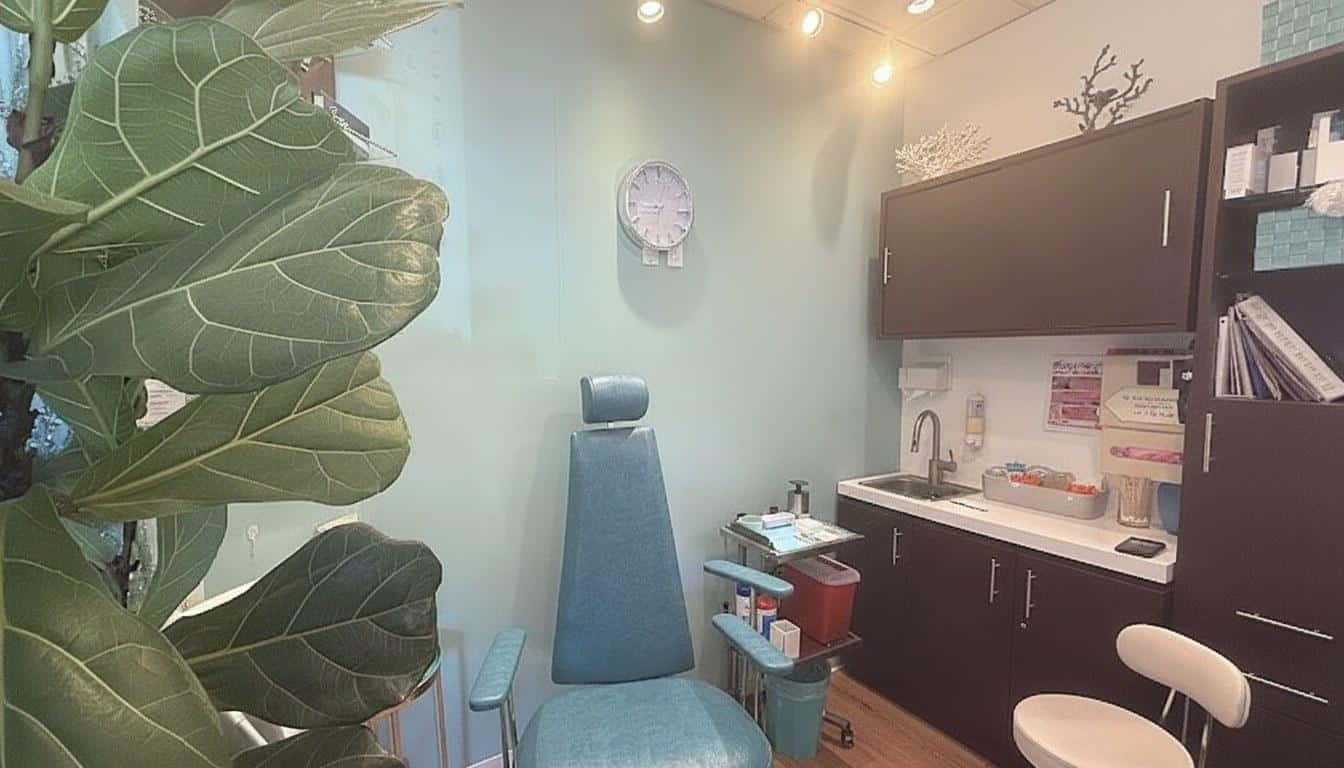
A chemical peel appointment typically takes 30 to 60 minutes from start to finish, including prep, application, and neutralization. The experience varies depending on peel depth, but most patients describe a tingling or mild burning sensation during the application.
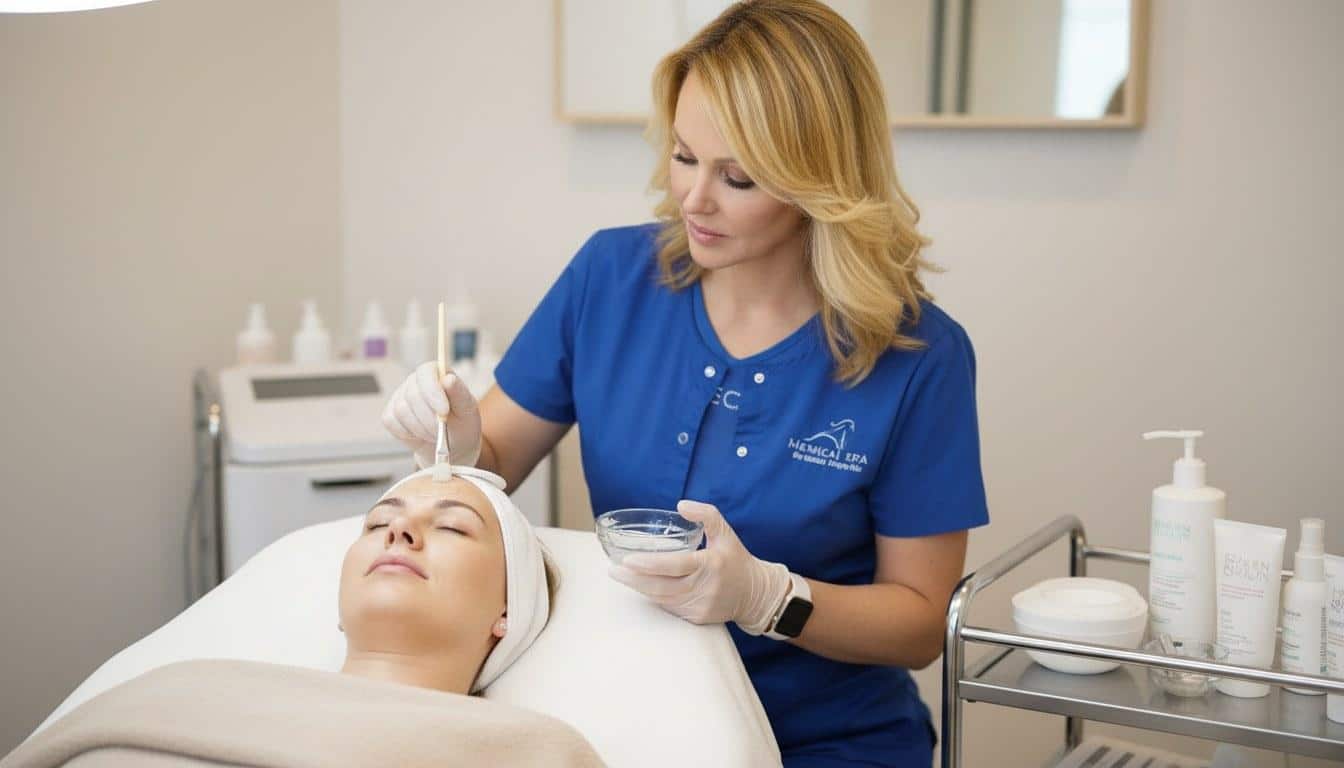
Here is a step-by-step breakdown of what happens during a professional facial peel:
- Skin cleansing: Your provider cleanses the face to remove all oil, makeup, and surface debris.
- Pre-peel solution: A degreasing agent is applied to ensure the acid penetrates evenly.
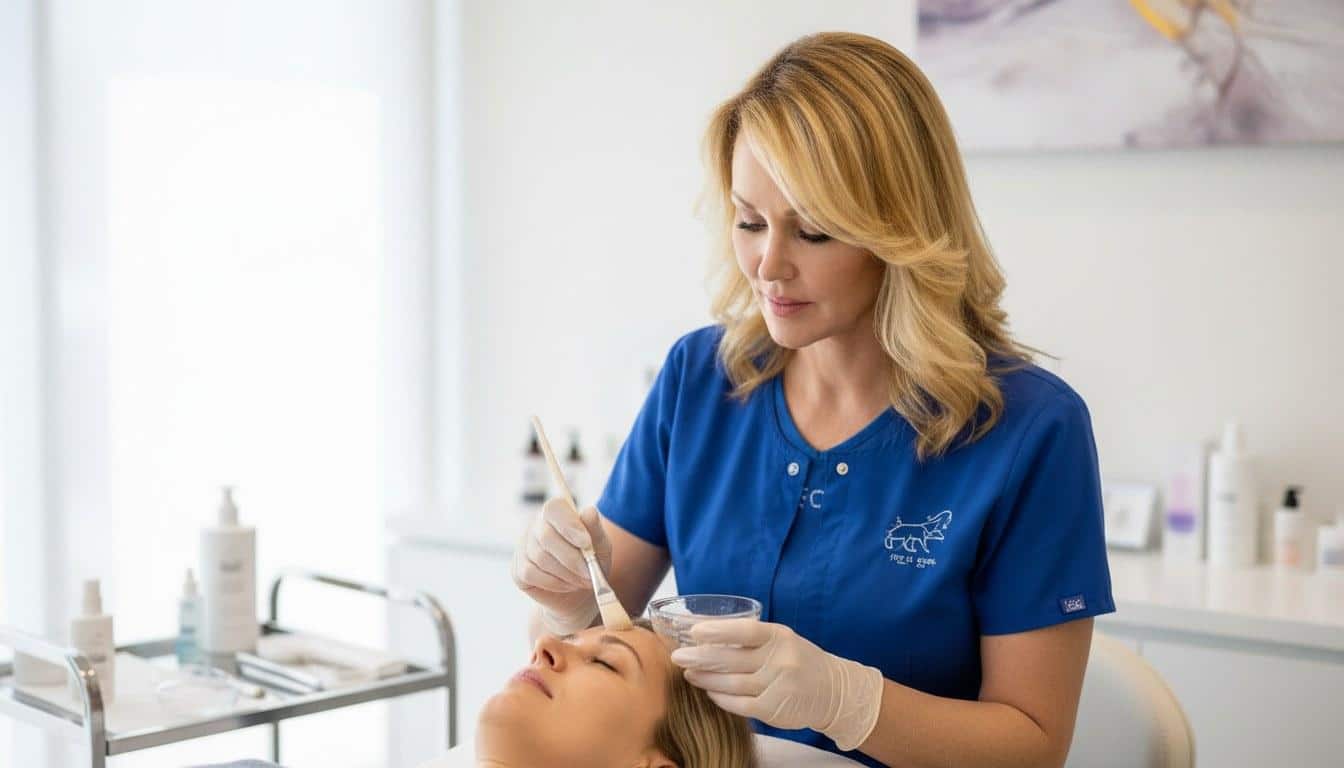
- Acid application: The peel solution is applied in thin, even layers using a brush or gauze. Your provider monitors your skin’s response throughout.
- Timing the peel: Superficial peels may stay on for 1 to 5 minutes. Medium peels may be left on longer, depending on the formulation and skin response.
- Neutralization or removal: AHA-based peels are neutralized with a baking soda solution or water. TCA peels self-neutralize and are not rinsed off the same way.
- Post-peel care: A calming serum, gentle moisturizer, and SPF are applied before you leave.
Right after the treatment, your skin will look pink to red — similar to a mild sunburn. This is normal and expected. For a superficial peel, the redness typically fades within a few hours to a day. For medium peels, expect redness and tightness for 2 to 3 days before visible peeling begins. Deep peels produce significant swelling and redness that can last 1 to 2 weeks.
Our team performs medium-depth TCA peels regularly and finds that roughly 80% of patients experience their peak peeling between days 3 and 5 — not day 1 or 2 as many expect. Setting that timeline clearly before treatment helps patients avoid unnecessary concern.
What Does the Healing Process Look Like Day by Day?
The peeling and healing timeline depends on peel depth, but most patients see their final results within 7 to 14 days after a medium peel. Here is what a typical recovery looks like for a medium-depth chemical peel.
- Days 1 to 2: Skin looks pink or red and feels tight. Little to no visible peeling yet. Use a gentle cleanser and fragrance-free moisturizer only.
- Days 3 to 4: Peeling begins, usually starting around the mouth, chin, and forehead. Do not pick or pull at the skin — this increases the risk of scarring and uneven healing.
- Days 5 to 7: Peeling is most active. Skin may look patchy and uneven. This is normal. Stay out of direct sun entirely during this window.
- Days 7 to 10: Peeling slows and new skin emerges. Skin appears brighter and smoother. Mild pinkness may remain.
- Days 10 to 14: Most patients are fully healed and can return to their normal skincare routine. SPF should be worn daily going forward.
During the entire healing phase, avoid the following:
- Direct sun exposure without SPF 30 or higher
- Sweating heavily (intense workouts, saunas, steam rooms)
- Picking, peeling, or rubbing the skin
- Applying retinoids, exfoliating acids, or active serums until fully healed
- Swimming in chlorinated pools
The Skin Cancer Foundation recommends broad-spectrum SPF 30 or higher every day after a chemical peel, since freshly treated skin is significantly more vulnerable to UV damage. Skipping sunscreen after a peel can undo results and cause new pigmentation issues.
How Long Do Chemical Peel Results Last?
Results from a superficial peel typically last 1 to 2 months, while medium peel results can last 6 to 12 months with proper skin care. Deep peel results can last several years, though they do not stop the natural aging process.
Results from a superficial peel typically last 1 to 2 months, while medium peel results can last 6 to 12 months with proper skin care.
This chemical peel before and after guide would not be complete without addressing what actually preserves your results. Several factors determine how long your skin stays smooth and bright after a facial peel:
- Sun exposure: UV damage is the fastest way to reverse peel results. Daily SPF is non-negotiable.
- Skincare routine: Using a gentle cleanser, antioxidant serum (like vitamin C), and a good moisturizer supports the new skin barrier.
- Maintenance treatments: Many patients schedule light peels every 4 to 6 weeks as part of an ongoing anti-aging regimen.
- Lifestyle factors: Smoking, poor diet, and inadequate sleep accelerate skin aging and shorten results.
- Collagen support: Some patients combine peels with collagen stimulating injections or other in-office treatments to extend and deepen results.
In the regional market across California, a single superficial peel session typically ranges from $100 to $300, while medium peels generally range from $250 to $600 depending on the acid used, the provider’s expertise, and the scope of the treatment area. Deep phenol peels are more involved and can range considerably higher. These are market ranges only — request a custom quote for your specific skin concerns and goals.
As of 2024, many California med spas offer combination packages that pair chemical peels with treatments like microneedling or light-based therapies for enhanced collagen production. Patients who combine modalities often report seeing improvements in skin texture, tone, and firmness that last longer than a peel alone.
We see patients who return for a series of 3 superficial glycolic peels spaced 4 weeks apart report noticeably more even skin tone than those who do a single session — the cumulative effect is measurable and consistent across different skin types.
Ready to See Your Results? Schedule with Beauty Solutions Med Spa
A professional chemical peel delivers results that at-home skin peel products simply cannot match — and the right provider makes the difference between a smooth recovery and an avoidable complication.
Beauty Solutions Med Spa serves clients across Southern California with customized facial peel treatments tailored to your skin type, concerns, and goals. Whether you are exploring your first superficial peel or ready for a more advanced medium-depth treatment, our team will walk you through every stage — exactly what this chemical peel before and after guide has prepared you for.
Call (818) 860-0100 to schedule a consultation or ask about current treatment options. Get a personalized recommendation and a custom quote before any treatment begins.
Frequently Asked Questions
What does a chemical peel actually do to your face?
A chemical peel applies an acid solution that removes the outer layers of damaged skin, revealing smoother, fresher skin underneath. It also stimulates collagen production, which helps improve fine lines, uneven tone, and texture over time. The depth of the peel determines how much skin is removed and how dramatic the results are. Superficial peels cause mild flaking, while medium and deep peels produce more noticeable shedding and a longer recovery.
How long does it take to recover from a chemical peel?
Recovery time depends on the peel depth. A superficial peel typically heals in 1 to 3 days with minor flaking. A medium peel takes about 5 to 7 days, with the most active peeling happening around days 3 to 5. A deep peel can require 10 to 14 days or more before skin looks fully healed. During recovery, gentle skincare and daily SPF are essential.
How long do chemical peel results last?
Superficial peel results generally last 1 to 2 months, which is why many patients schedule them as a series. Medium peel results can last 6 to 12 months with a good skincare routine and daily sun protection. Deep peels can produce results that last several years, though ongoing sun exposure and aging will still affect the skin over time.
Does a chemical peel hurt?
Most patients feel a tingling or mild burning sensation during the acid application, which typically lasts only a few minutes. Superficial peels feel similar to a light sunburn. Medium peels can produce more intense warmth or stinging, which providers manage by fanning the skin or applying a cooling solution. Deep peels require numbing or sedation and are a more involved procedure.
How many chemical peel sessions do you need to see results?
A single medium or deep peel can produce visible improvement after one session. Superficial peels are most effective when done as a series — typically 4 to 6 treatments spaced 2 to 4 weeks apart. The number of sessions needed depends on your skin concerns, the peel type, and your skin's response. A provider consultation will give you the clearest answer for your specific goals.