

VI Peel vs. Chemical Peel: Which One Should You Choose?
VI Peel vs. Chemical Peel: Which One Should You Choose?
Summer heat and UV exposure can leave skin dull, uneven, and sun-damaged. Here's how to decide between a VI Peel and a traditional chemical peel before the season peaks.
What Is the Difference Between a VI Peel vs. Chemical Peel?
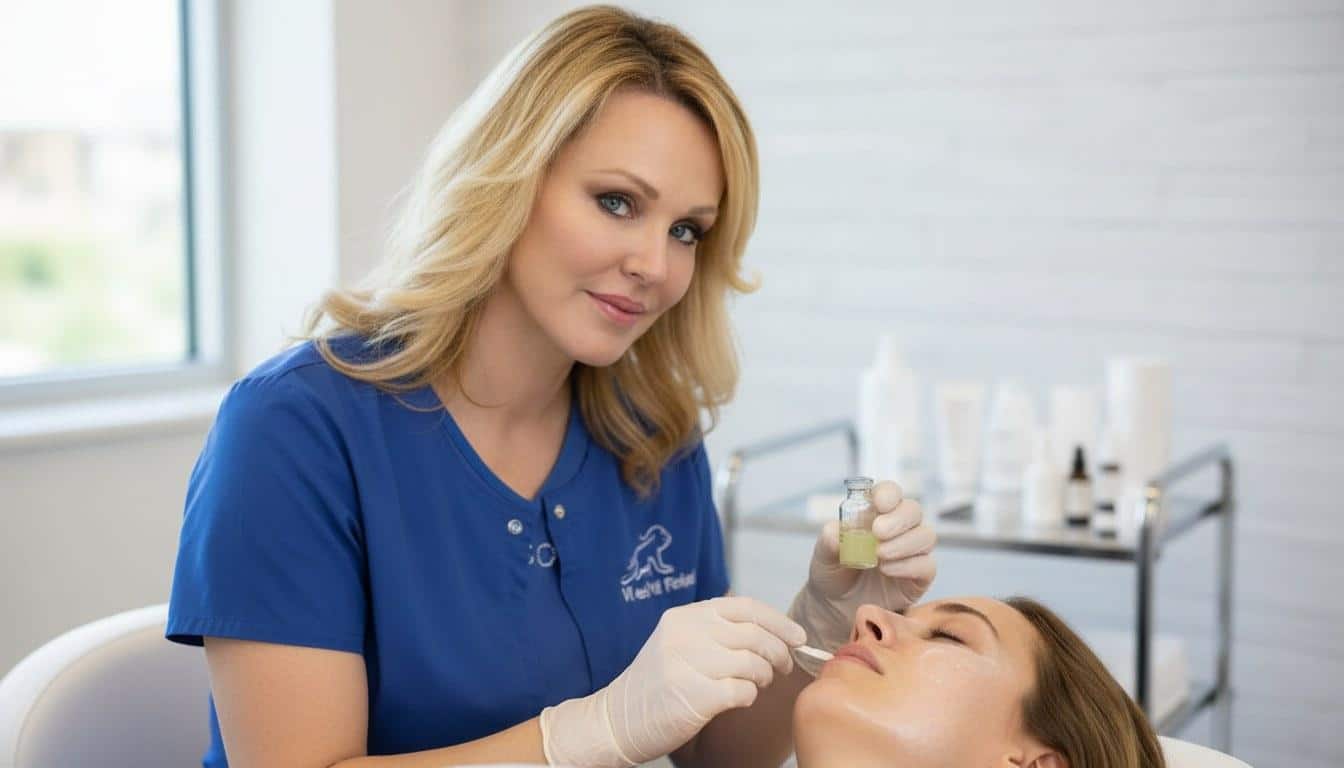
A VI Peel is a type of chemical peel, but not all chemical peels are VI Peels. The key difference is the formula: the VI Peel uses a proprietary blend of 5 acids and vitamins, while the term “chemical peel” covers hundreds of different formulas at varying strengths. When people ask about VI Peel vs. chemical peel, they are usually comparing this specific medical-grade option against more traditional single-acid peels like glycolic or TCA.
Traditional chemical peels have been used in dermatology for over 50 years. They typically rely on one primary acid, such as glycolic, salicylic, lactic, or trichloroacetic acid (TCA), at a set concentration. The VI Peel, introduced in the early 2000s, was designed to combine multiple actives in one formula to address several skin concerns at once with less discomfort.
Here is what makes the VI Peel formula distinct:
- TCA (trichloroacetic acid): Penetrates deeply to resurface and tighten skin.
- Retinoic acid: Accelerates cell turnover and targets fine lines.
- Salicylic acid: Clears pores and reduces inflammation, especially helpful for acne-prone skin.
- Phenol: Enhances penetration and adds a mild numbing effect during application.
- Vitamin C: Brightens and protects against oxidative damage.
Traditional single-acid peels can be highly effective, but they often require more precision in choosing the right acid and concentration for each skin type. The VI Peel’s multi-acid design gives providers more flexibility across different skin tones and concerns in a single treatment session.
How Do Different Chemical Peel Depths Compare?
Chemical peels fall into three depth categories: superficial, medium, and deep. Where a peel lands on that scale determines how much downtime you face and how dramatic the results can be. The VI Peel sits in the medium-depth range, which is the most popular category for treating real skin concerns without the extended recovery of a deep phenol peel.
Understanding peel depth helps you set realistic expectations. Here is how the three categories stack up:
| Peel Type | Depth | Typical Downtime | Best For |
|---|---|---|---|
| Superficial (e.g., low-% glycolic, lactic) | Epidermis only | 1 to 3 days of mild flaking | Maintenance, mild dullness, light texture |
| Medium (VI Peel, mid-% TCA, Jessner) | Epidermis to upper dermis | 5 to 7 days of visible peeling | Sun damage, hyperpigmentation, acne scars, fine lines |
| Deep (high-% phenol or TCA) | Mid-dermis | 10 to 21 days; sedation sometimes needed | Deep wrinkles, severe scarring, precancerous lesions |
The VI Peel Advanced formula, designed for more resilient or aging skin, pushes slightly deeper than the standard VI Peel by adding VEDCA (a vitamin C ester) and a higher retinoic acid concentration. It is still considered a medium-depth peel but delivers more aggressive resurfacing for patients who have already completed a standard VI Peel series.
One important safety note: the EPA’s UV Index scale classifies levels of 8 and above as very high to extreme. Peeling skin has no protective barrier against UV radiation. That is why timing your peel around high-UV periods and following strict post-peel sun avoidance are non-negotiable steps regardless of your climate.
Which Peel Works Best for Your Skin Concerns?
For most people dealing with sun damage, uneven tone, or post-acne marks, the VI Peel is typically the more targeted choice. Traditional superficial peels work well for maintenance but often cannot address deeper pigmentation caused by prolonged UV exposure.
Cumulative sun exposure, seasonal heat, low humidity, and wind events all strip the skin’s moisture barrier and accelerate hyperpigmentation over time. By the time a patient seeks treatment, they are often dealing with layered damage that a single-acid superficial peel cannot fully address.
Here is a quick guide to matching your concern to the right peel type:
- Sun spots and melasma: VI Peel or VI Peel Precision Plus (formulated specifically for pigmentation) outperforms a basic glycolic peel for these concerns.
- Active acne and oily skin: Salicylic-based traditional peels or the VI Peel (which contains salicylic acid) both work well; the VI Peel adds the benefit of retinoic acid for faster cell turnover.
- Fine lines and skin laxity: Medium-depth options including the VI Peel Advanced or a 20 to 30% TCA peel deliver more collagen stimulation than superficial options.
- Sensitive or darker skin tones (Fitzpatrick IV to VI): The VI Peel was specifically developed to be safe across all skin tones, making it a lower-risk choice compared to higher-concentration single-acid peels that can trigger post-inflammatory hyperpigmentation.
- Pre-event skin refresh: A superficial traditional peel with 24 to 48 hours of mild flaking may be more practical if you have a specific event within 2 weeks.
Timing your peel before peak UV months is a smart strategy in any high-sun climate. Most qualified providers recommend completing a peel series well before the most intense UV months so skin has fully healed before sustained outdoor exposure resumes.
How Many Treatments Do You Need to See Real Results?
Most patients see noticeable improvement after a single VI Peel, with full results visible around 7 days post-treatment once peeling is complete. For moderate sun damage or hyperpigmentation, a series of 3 treatments spaced 4 to 6 weeks apart typically delivers the most lasting change.
Most patients see noticeable improvement after a single VI Peel, with full results visible around 7 days post-treatment once peeling is complete.
Traditional chemical peels follow similar spacing rules. Superficial peels are often done in a series of 4 to 6 sessions, each spaced 2 to 4 weeks apart, because each individual treatment works at a shallower level. Medium-depth peels like the VI Peel accomplish more per session, so fewer total treatments are needed.
Here is a realistic timeline to plan around:
- Day 0 (treatment day): Peel applied in-office in about 30 minutes. Skin may feel tight or tingly.
- Days 1 to 2: Skin looks bronzed or slightly darker as the surface begins to lift.
- Days 3 to 5: Visible peeling begins, usually starting around the mouth and forehead.
- Days 6 to 7: Peeling completes. Fresh, smoother skin is revealed underneath.
- Days 7 to 14: Skin continues to refine. Pigmentation fades progressively over this window.
- Week 4 to 6: Optimal time for a follow-up treatment if a series is planned.
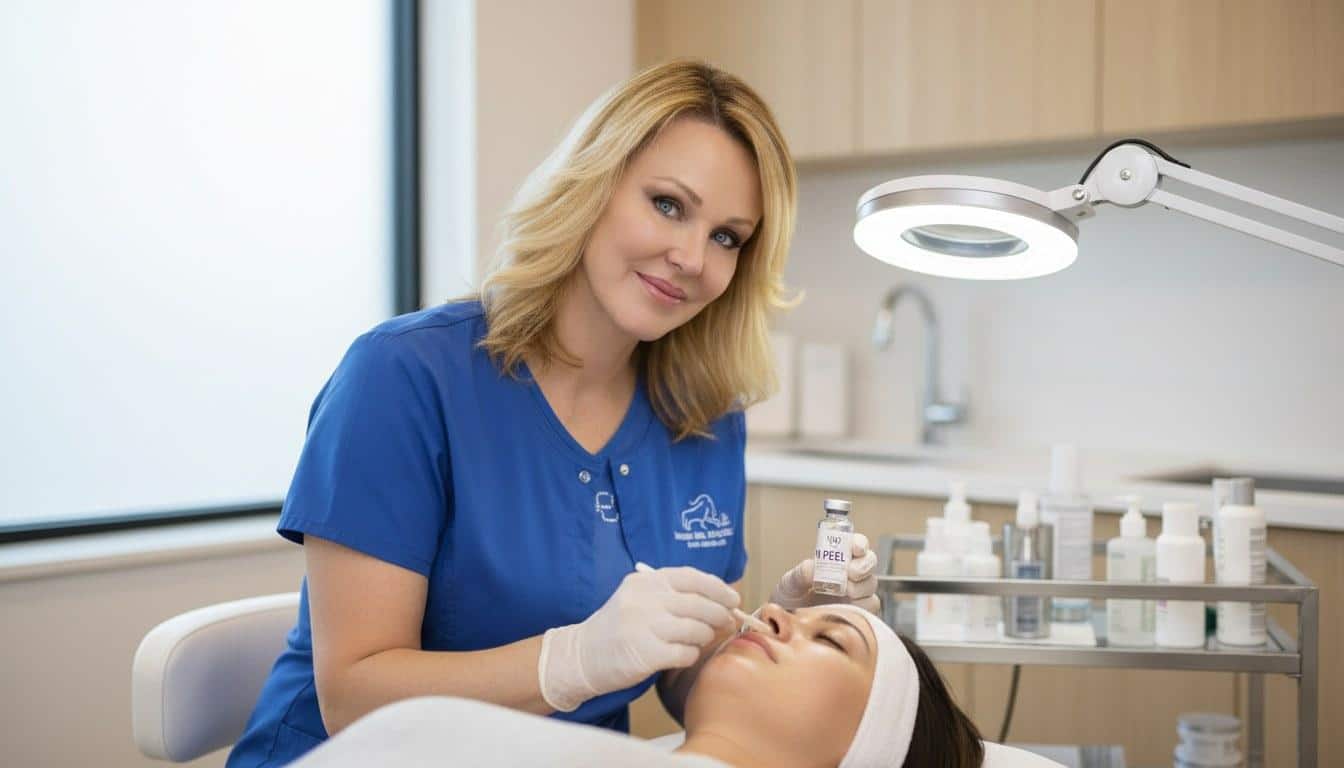
One important note for anyone researching “VI Peel at home” options: the VI Peel formula is not available for consumer purchase. The FDA distinguishes between cosmetic-grade and medical-grade acid concentrations, and the VI Peel’s TCA and retinoic acid concentrations require professional application. At-home peel kits sold online use lower acid percentages and produce significantly milder results. For the level of resurfacing most patients are seeking, in-office treatment with a qualified provider is the appropriate route.
What Does a VI Peel or Chemical Peel Cost?
A single VI Peel session typically ranges from $250 to $500 depending on the specific formula chosen and the provider’s scope of service. Traditional chemical peels vary more widely, from around $100 to $150 for a basic superficial peel up to $600 or more for a deeper TCA treatment.
Several factors move the price within those ranges:
- Formula tier: Standard VI Peel vs. VI Peel Advanced vs. VI Peel Precision Plus each carry different price points due to formula complexity.
- Provider setting: Med spas and dermatology offices typically price differently than day spas, reflecting the level of clinical oversight involved.
- Add-on treatments: Combining a peel with a booster or post-peel kit affects total session cost.
- Series packages: Providers often discount a prepaid series of 3 treatments compared to paying per session, which can meaningfully reduce the per-treatment cost.
- Consultation requirements: Some offices include a skin assessment in the first visit; others bill separately.
The best outcomes from any medical-grade peel come from licensed medical providers who customize the formula to your Fitzpatrick skin type and specific concerns. Selecting a provider based on clinical qualifications and experience rather than price alone is generally the most reliable approach.
As of 2026, there are no specific insurance benefits or federal tax credits that apply to elective cosmetic peels. However, if a peel is performed as part of treating a diagnosed skin condition, it may be worth discussing with your provider whether any portion qualifies for FSA or HSA reimbursement under your plan’s guidelines.
Frequently Asked Questions
What exactly is a VI Peel and how is it different from a regular chemical peel?
A VI Peel is a specific medical-grade chemical peel formula that combines five active ingredients: TCA, retinoic acid, salicylic acid, phenol, and vitamin C. A regular chemical peel is a broad category that includes dozens of different formulas at varying strengths. The VI Peel sits in the medium-depth range and was designed to be effective across all skin tones with less discomfort than older TCA-only peels. A qualified provider can assess your skin and recommend whether the VI Peel or a traditional single-acid formula is the better fit for your concerns.
How many VI Peel treatments do I need before I see a real difference?
Most patients see a visible improvement after just one VI Peel, with full results appearing around day 7 once peeling is complete. For more stubborn concerns like melasma, acne scarring, or significant sun damage, a series of 3 treatments spaced 4 to 6 weeks apart typically delivers the most lasting results. A qualified provider can give you a realistic timeline based on your specific skin concerns during a consultation.
Can I get a VI Peel during high-UV summer months?
You can, but timing matters. When UV levels are high, freshly peeled skin has no sun-protective barrier for at least 7 days post-treatment. Most providers recommend completing a peel series before peak UV months or waiting until UV intensity drops in early fall. If you do get a peel during summer, strict sun avoidance and SPF 50 or higher are essential for the full recovery period.
Is it safe to buy a VI Peel online and do it at home?
The professional VI Peel formula is not available for consumer purchase. The TCA and retinoic acid concentrations in the VI Peel require licensed medical provider application. Products sold online as "at-home peels" use significantly lower acid concentrations and produce much milder results. For the level of resurfacing the VI Peel delivers, an in-office treatment at a licensed med spa or dermatology practice is the appropriate setting.
How much does a VI Peel cost compared to a regular chemical peel?
A single VI Peel session typically ranges from 0 to 0 depending on the formula tier chosen. Traditional superficial chemical peels generally start around 0 to 0 per session, while medium-depth TCA peels can reach 0 or more. The right choice depends on your skin concerns, not just price. Consult a qualified provider for a custom quote based on your specific treatment plan.