
Cheek Augmentation vs Cheek Filler: Which Option Is Right for You?
Cheek Augmentation vs Cheek Filler: Which Option Is Right for You?
Cheek augmentation and cheek filler both add volume and definition to the midface, but they work very differently. This guide breaks down the key differences so you can make a confident, informed decision.
What Is the Difference Between Cheek Augmentation and Cheek Filler?
Cheek augmentation is a surgical procedure that places solid implants onto the cheekbones to create permanent structural definition. Cheek filler is a non-surgical injection of a dermal filler, usually hyaluronic acid, that adds volume and lift without any incisions. Both options target the same area of the face, the midface and zygomatic arch, but they differ in how long results last, how much they cost, and how much recovery they require.
The cheek augmentation vs cheek filler question comes up often because the goals overlap. People want higher cheekbones, a more sculpted midface, or restored volume lost to aging. The right answer depends on how permanent you want the result, how much downtime you can manage, and what your anatomy actually needs.
Cheek filler falls under the broader category of facial fillers, also called cosmetic fillers or face fillers. These injectable products have been used in aesthetic medicine for decades and are among the most common non-surgical procedures performed in California med spas today.
How Does Each Option Work?
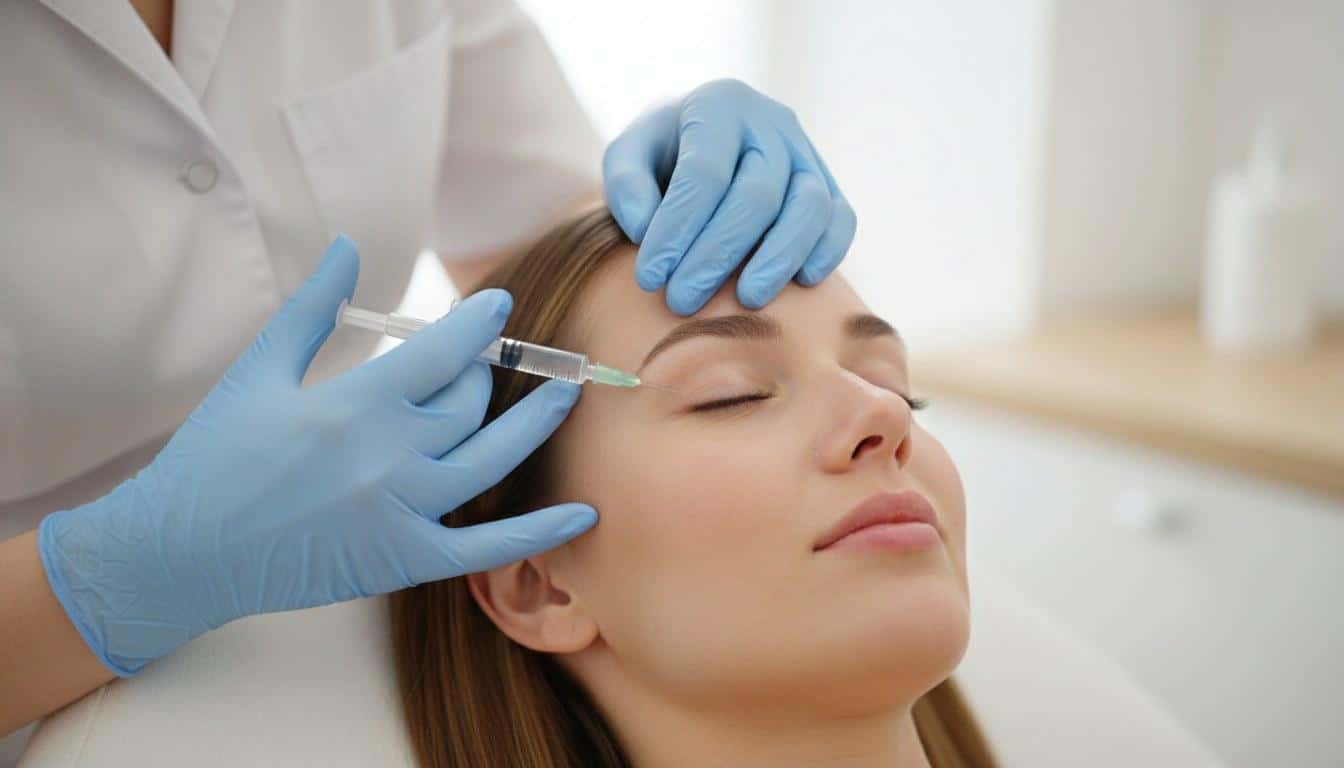
Cheek filler is injected directly into the subcutaneous tissue or the periosteal layer above the cheekbone using a fine needle or blunt cannula. The entire appointment typically takes 30 to 45 minutes, and most patients return to their normal routine the same day. Cheek augmentation surgery, by contrast, involves general or local anesthesia, incisions inside the mouth or lower eyelid, and the placement of a shaped silicone or porous polyethylene implant over the malar bone.
How Cheek Filler Works
Most cheek fillers use hyaluronic acid (HA), a substance that occurs naturally in the body. The FDA has cleared multiple HA-based dermal fillers for midface use. HA attracts water molecules, which creates a soft, natural-looking lift. Because HA is reversible with an enzyme called hyaluronidase, results can be adjusted or dissolved if a patient is not happy with the outcome.
Other filler materials used in the cheeks include calcium hydroxylapatite (CaHA) and poly-L-lactic acid (PLLA), which stimulate collagen over time. These last longer than standard HA fillers, sometimes 18 to 24 months or more, but they are not reversible the same way HA products are.
How Cheek Augmentation Surgery Works
A board-certified plastic surgeon places a solid implant through a small incision, usually hidden inside the mouth along the upper gum line. The implant sits directly on the cheekbone and is sometimes secured with small titanium screws. The procedure takes roughly 1 to 2 hours under anesthesia. Results are permanent unless the implant is later removed or replaced.
Surgical augmentation creates a fixed, three-dimensional change to the skeletal structure of the face. This is why surgeons often recommend it for patients with genuinely flat or underdeveloped malar bones rather than those who simply want more volume or a subtle lift.
Cheek Augmentation vs Cheek Filler: How Do the Results Compare?
Cheek filler produces soft, natural-looking volume that can be customized in real time during the appointment. Surgical implants deliver more dramatic, permanent structural projection that no amount of filler can fully replicate. The right result depends on your starting anatomy and your aesthetic goals.
Our team sees patients across Southern California who come in after years of losing midface volume gradually, sometimes 1 to 2 milliliters of fat pad volume per decade. For most of those patients, 1 to 2 syringes of a well-placed HA filler restores a refreshed look without anyone being able to identify what changed.
| Feature | Cheek Filler (Dermal Filler) | Cheek Augmentation (Implant) |
|---|---|---|
| Procedure type | Non-surgical injection | Surgical implant placement |
| Anesthesia | Topical numbing cream | Local or general anesthesia |
| Session time | 30 to 45 minutes | 1 to 2 hours |
| Downtime | Minimal (24 to 48 hours of swelling) | 7 to 14 days of swelling and bruising |
| Results duration | 12 to 24 months | Permanent (unless removed) |
| Reversible | Yes (HA fillers can be dissolved) | No (requires a second surgery) |
| Degree of change | Subtle to moderate lift and volume | Moderate to dramatic structural projection |
| Adjustability | Fully adjustable at follow-up | Fixed after healing |
| Combination treatments | Pairs well with Botox and skin treatments | Can be combined with other facial surgeries |
What Does Cheek Filler or Cheek Augmentation Cost in California?
Cheek filler in the California market typically ranges from around $600 to $1,800 per treatment session, depending on the number of syringes used and the type of filler product chosen. Cheek augmentation surgery generally ranges from $4,000 to $10,000 or more when surgeon fees, anesthesia, and facility costs are included. Both figures vary based on provider experience, geographic market, and the complexity of the individual case.
Cheek augmentation surgery generally ranges from $4,000 to $10,000 or more when surgeon fees, anesthesia, and facility costs are included.
For filler, the biggest cost driver is the number of syringes. A patient needing mild volume restoration may need just 1 syringe per side, while someone with significant volume loss may need 2 to 3 syringes for a natural result. Filler also requires repeat treatments every 12 to 24 months to maintain results, so the long-term cost adds up over time.
For surgery, the upfront cost is higher, but there are no ongoing maintenance appointments. Patients should factor in the cost of any revision procedures, which the American Society of Plastic Surgeons notes occur in a small but real percentage of implant cases.
Factors That Affect the Total Price
- Number of syringes: Each additional syringe of filler adds to the session cost.
- Filler product type: Longer-lasting or collagen-stimulating fillers often cost more per syringe than standard HA products.
- Provider credentials: Injectors with advanced training and a medical license typically charge more, and for good reason.
- Implant material: Silicone and porous polyethylene implants vary in price, and custom-shaped implants cost more than standard sizes.
- Anesthesia and facility fees: These add several hundred to several thousand dollars to a surgical procedure.
- Geographic market: Providers in higher-cost California markets generally charge more than those in lower-cost areas.
Neither cheek filler nor cheek augmentation surgery is typically covered by health insurance, since both are elective cosmetic procedures. Request a custom quote from Beauty Solutions Med Spa by calling (818) 860-0100 to understand what your specific goals would cost.
Who Is a Good Candidate for Each Option?
Most adults in good health who want more midface definition are candidates for cheek filler. Cheek augmentation surgery is better suited to patients with structural underdevelopment of the malar bones or those who want a permanent, more dramatic result and are willing to undergo surgery.
You May Be a Strong Candidate for Cheek Filler If You:
- Want a subtle to moderate lift without surgery or downtime
- Are new to facial aesthetics and want to try a result before committing to anything permanent
- Have noticed gradual volume loss in the midface due to aging
- Want to combine cheek treatment with other injectables like Botox in the same appointment
- Prefer a reversible option you can adjust or dissolve if your goals change
- Are not a surgical candidate due to health conditions
You May Be a Stronger Candidate for Cheek Augmentation If You:
- Have naturally flat or underdeveloped cheekbones with little to no soft tissue deficit
- Want a permanent result that does not require maintenance appointments
- Are comfortable with a 7 to 14 day recovery period
- Have already tried filler and want more dramatic structural projection
- Are planning other facial surgeries such as rhinoplasty or a facelift at the same time
Age is also a factor. Research on facial aging published in peer-reviewed literature consistently shows that volume loss in the midface accelerates after age 40, making filler a natural first intervention for patients in their 30s and 40s. Younger patients with structural concerns, rather than volume loss, are more likely to benefit from the skeletal correction that implants provide.
Volume loss in the midface accelerates after age 40, making filler a natural first intervention for patients in their 30s and 40s.
What Should You Expect During Recovery?
Cheek filler recovery is minimal. Most patients experience mild swelling and possible bruising for 24 to 72 hours, and the final result is visible within 2 weeks once any swelling resolves. Cheek augmentation surgery involves a longer recovery, with significant swelling for the first 7 to 10 days and residual swelling that can take 6 to 12 weeks to fully settle.
After Cheek Filler
- Avoid strenuous exercise for 24 hours after the appointment
- Skip saunas, hot tubs, and direct sun exposure for 48 hours
- Do not massage or press firmly on the treated area for at least 2 weeks
- Sleep with your head slightly elevated the first night to minimize swelling
- Schedule a follow-up at 2 weeks to assess the result and add product if needed
After Cheek Augmentation Surgery
- Expect swelling and tightness in the cheeks for 7 to 14 days
- A soft or liquid diet is often recommended for the first week if incisions are inside the mouth
- Avoid contact sports and any activity that risks impact to the face for at least 6 weeks
- Final results, including full resolution of swelling, typically take 3 to 6 months to appear
- Follow-up appointments with your surgeon are usually scheduled at 1 week, 1 month, and 3 months post-op
One important note on combining treatments: many patients who choose cheek filler also ask about Botox at the same appointment. These two treatments complement each other well and can be done in the same session, which is a common practice at med spas throughout Los Angeles County and the broader Southern California region. Patients looking for Botox in Woodland Hills or surrounding communities often discover cheek filler during the same consultation and find the combination delivers a more balanced, refreshed result.
Ready to Enhance Your Cheeks? Start Here.
Whether you are leaning toward injectable face fillers or want to explore surgical options, the best first step is a consultation with a qualified provider who can evaluate your facial anatomy and align a treatment plan with your actual goals. A good provider will never push you toward a more expensive or more invasive option than you need.
Beauty Solutions Med Spa offers expert cheek filler consultations and a full range of cosmetic filler treatments for patients across Southern California. The team can walk you through the cheek augmentation vs cheek filler decision with a hands-on assessment, not just a brochure. Call (818) 860-0100 to schedule your consultation and find out which approach fits your face, your timeline, and your budget.
Frequently Asked Questions
How long do cheek fillers actually last?
Most hyaluronic acid cheek fillers last between 12 and 18 months, though some longer-acting products like calcium hydroxylapatite can last up to 24 months. Results vary based on the filler type, the amount injected, your metabolism, and how active your facial muscles are. A follow-up appointment at around 12 months helps maintain the result before it fully fades.
What is the best dermal filler for the cheeks?
Hyaluronic acid fillers with a thicker, more cohesive gel formula are generally preferred for the cheeks because they provide lift and structure without spreading. Products in the Juvederm Voluma and Restylane Lyft families are commonly used for midface augmentation. The best choice depends on your anatomy and the degree of lift you want, which is why a consultation with a trained injector matters.
How much does cheek filler cost in California?
In the California market, cheek filler typically ranges from around $600 to $1,800 per session, depending on the number of syringes used and the product selected. Most patients need 1 to 2 syringes per side for a natural result. Factors like provider experience and the specific filler brand also affect the final price. Contact Beauty Solutions Med Spa at (818) 860-0100 for a personalized quote.
Can I exercise after getting cheek filler?
You should avoid strenuous exercise for at least 24 hours after cheek filler injections. Elevated heart rate and blood pressure can increase swelling and bruising at the injection sites. Light walking is generally fine, but intense cardio, weightlifting, or hot yoga should wait until the next day or until any swelling has settled.
Is cheek filler better than cheek augmentation surgery for most people?
For most adults, cheek filler is the better starting point because it is non-surgical, reversible, and requires minimal downtime. Surgical cheek augmentation is a stronger option for patients with structurally flat malar bones who want a permanent, dramatic change. A consultation with a qualified provider is the most reliable way to determine which approach matches your facial anatomy and long-term goals.