


What Is Dysport? Everything You Need to Know Before Your First Treatment
What Is Dysport? Everything You Need to Know Before Your First Treatment
Dysport is an FDA-approved injectable that relaxes the muscles behind wrinkles, smoothing lines on your forehead and around your eyes in as little as 2 to 3 days. This guide covers how it works, who it is right for, what to expect at your appointment, and how it compares to other neuromodulators.

What Is Dysport and How Does It Work?
Dysport is an FDA-approved injectable made from botulinum toxin type A that temporarily relaxes the muscles responsible for dynamic wrinkles. It was approved by the U.S. Food and Drug Administration in 2009 for treating moderate to severe glabellar lines, the vertical frown lines between the eyebrows. Since then, it has become one of the most widely used neuromodulators in aesthetic medicine.
When Dysport is injected into a targeted muscle, it blocks the nerve signals that tell that muscle to contract. Without the repeated squinting, frowning, or raising of the brows, the overlying skin gradually smooths out. The effect is not permanent. Nerve signals slowly recover over time, which is why results last a few months rather than forever.
Dysport is manufactured by Galderma, a global pharmaceutical company focused on dermatology. It has been used in Europe since the early 1990s, giving it a long clinical track record before it arrived in the United States.
One feature that sets Dysport apart is its diffusion profile. The formula spreads slightly more than some other neuromodulators, which can be an advantage in larger treatment areas like the forehead. Results often appear within 2 to 3 days, which is faster than some patients experience with other products.

What Areas Can Dysport Treat?
Dysport is FDA-approved for glabellar lines, the “11s” between the brows, but practitioners also use it off-label for several other areas of the face and neck. Off-label use is common in aesthetic medicine and is supported by extensive clinical experience.
Common treatment areas include:
- Glabellar lines (between the brows): The primary FDA-approved indication. These vertical creases form from repeated frowning and squinting.
- Forehead lines: Horizontal lines that appear when you raise your eyebrows. Dysport’s spread can cover this larger surface area effectively.
- Crow’s feet: The fine lines that fan out from the outer corners of the eyes. Dysport for crow’s feet is one of the most requested off-label uses, and many patients see noticeable softening after a single session.
- Brow lift: Strategic placement near the brow can create a subtle lift without surgery.
- Bunny lines: The small wrinkles that appear on the sides of the nose when you scrunch your face.
- Lip lines: Vertical lines above the upper lip, sometimes called smoker’s lines, even in non-smokers.
- Neck bands (platysmal bands): Prominent vertical cords in the neck can be softened with careful placement.
- Chin dimpling: A pebbled or “orange peel” texture on the chin caused by the mentalis muscle.
- Hyperhidrosis: Excessive sweating in the underarms, palms, or feet.
Our team sees crow’s feet as one of the top three reasons patients book their first Dysport appointment. In our experience, patients who start with glabellar lines frequently add crow’s feet treatment at their second visit after seeing how natural their results look.
How Does Dysport Compare to Botox, Daxxify, and Jeuveau?
All four products, Botox, Dysport, Daxxify, and Jeuveau, are botulinum toxin type A injectables that work by the same basic mechanism, but they differ in formulation, dosing units, onset speed, and how long results last. Choosing between them is less about which one is “best” and more about which fits your goals, timeline, and anatomy.
The table below summarizes the key differences:
| Feature | Dysport | Botox | Daxxify | Jeuveau |
|---|---|---|---|---|
| Manufacturer | Galderma | AbbVie (Allergan) | Revance | Evolus |
| FDA Approval Year | 2009 | 2002 | 2022 | 2019 |
| Typical Onset | 2 to 3 days | 3 to 5 days | 3 to 5 days | 2 to 3 days |
| Typical Duration | 3 to 5 months | 3 to 4 months | 6 to 9 months | 3 to 4 months |
| Spread Profile | Moderate diffusion | More localized | More localized | More localized |
| Unit Dosing | Higher units per area | Standard reference units | Standard reference units | Standard reference units |
| Best For | Larger areas, fast onset | Precise, targeted areas | Longer-lasting results | Natural look, fast onset |
A note on Dysport versus Botox units: Dysport is dosed in higher unit counts than Botox because the two products use different unit scales. Roughly 2.5 to 3 Dysport units are equivalent to 1 Botox unit. This does not mean Dysport is weaker. It simply reflects how each manufacturer calibrated their measurement system. When comparing prices, always look at the total cost per treatment area, not the cost per unit alone.
Roughly 2.5 to 3 Dysport units are equivalent to 1 Botox unit because the two products use different unit scales, not because one is weaker than the other.
Daxxify stands out for its longer duration, up to 9 months in some patients, making it a strong option for those who want fewer annual appointments. Beauty Solutions Med Spa offers all four neuromodulators so patients can find the right fit for their goals.

What Does a Dysport Treatment Feel Like?
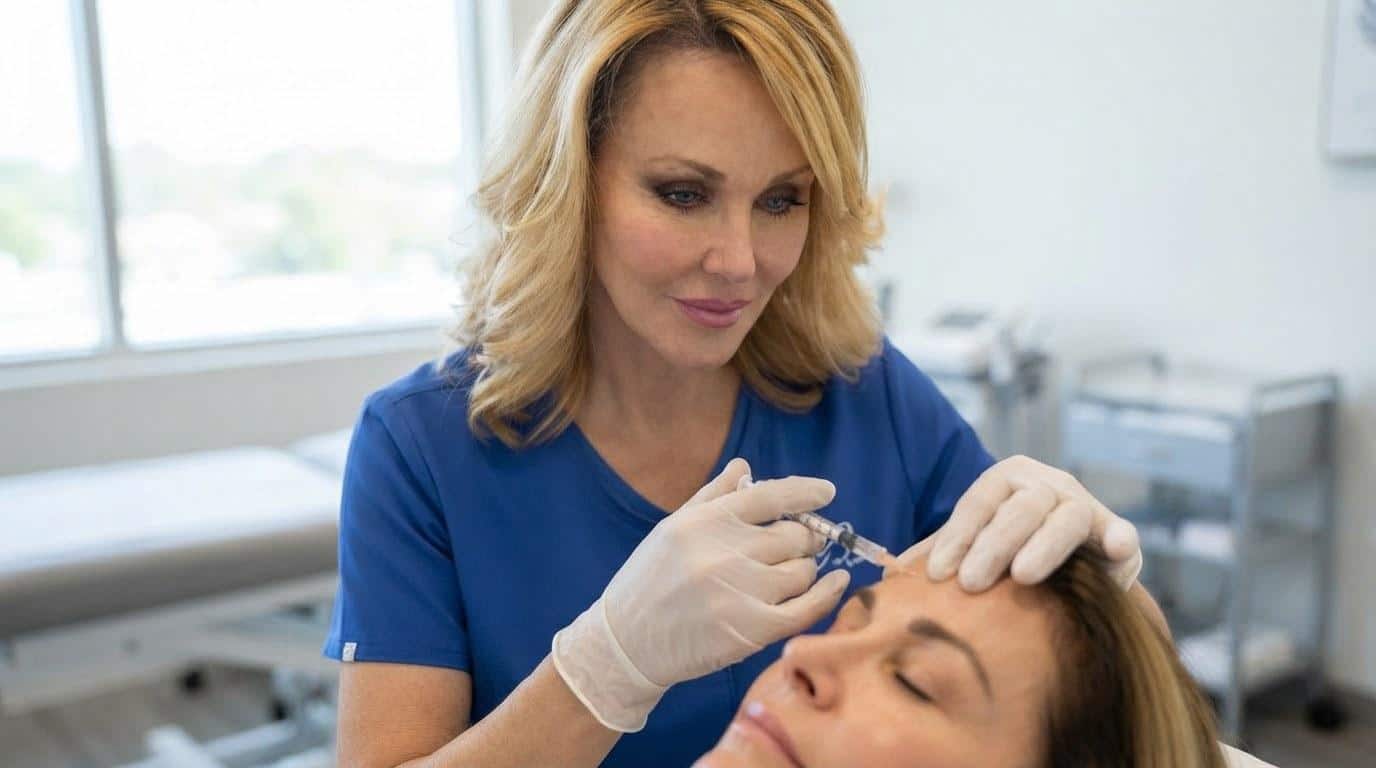
A Dysport appointment is brief, typically 15 to 30 minutes from consultation to completion, and most patients describe the injections as a mild pinching sensation. No general anesthesia or significant downtime is required.
Here is what a typical first appointment looks like:
- Consultation: Your injector reviews your medical history, discusses your goals, and examines your facial anatomy at rest and in motion. This step is essential for placing injections accurately.
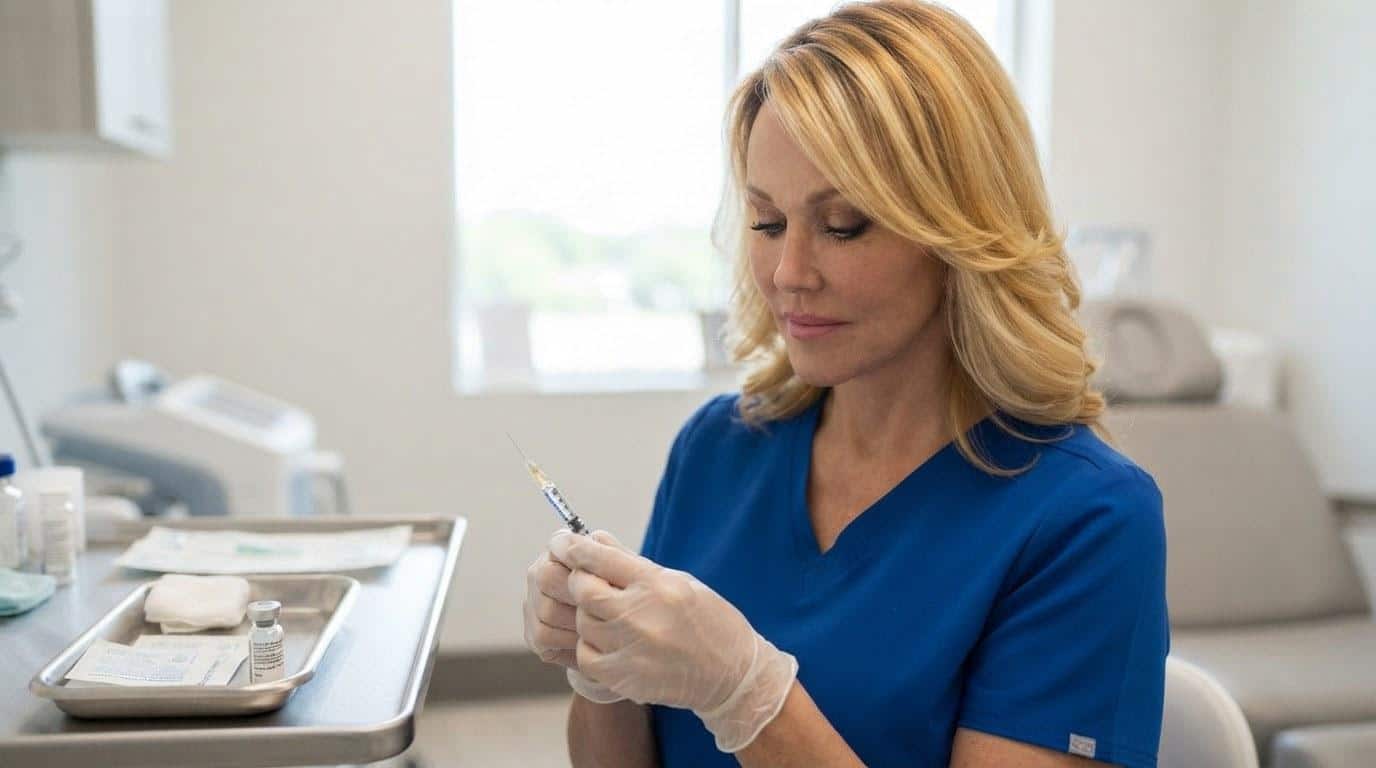
- Mapping the treatment area: The injector marks the specific points where Dysport will be placed. Placement is tailored to your muscle structure, not a one-size-fits-all grid.
- Cleansing the skin: The treatment area is cleaned with an antiseptic. A topical numbing cream may be applied, though many patients skip this step because the needles used are very fine.
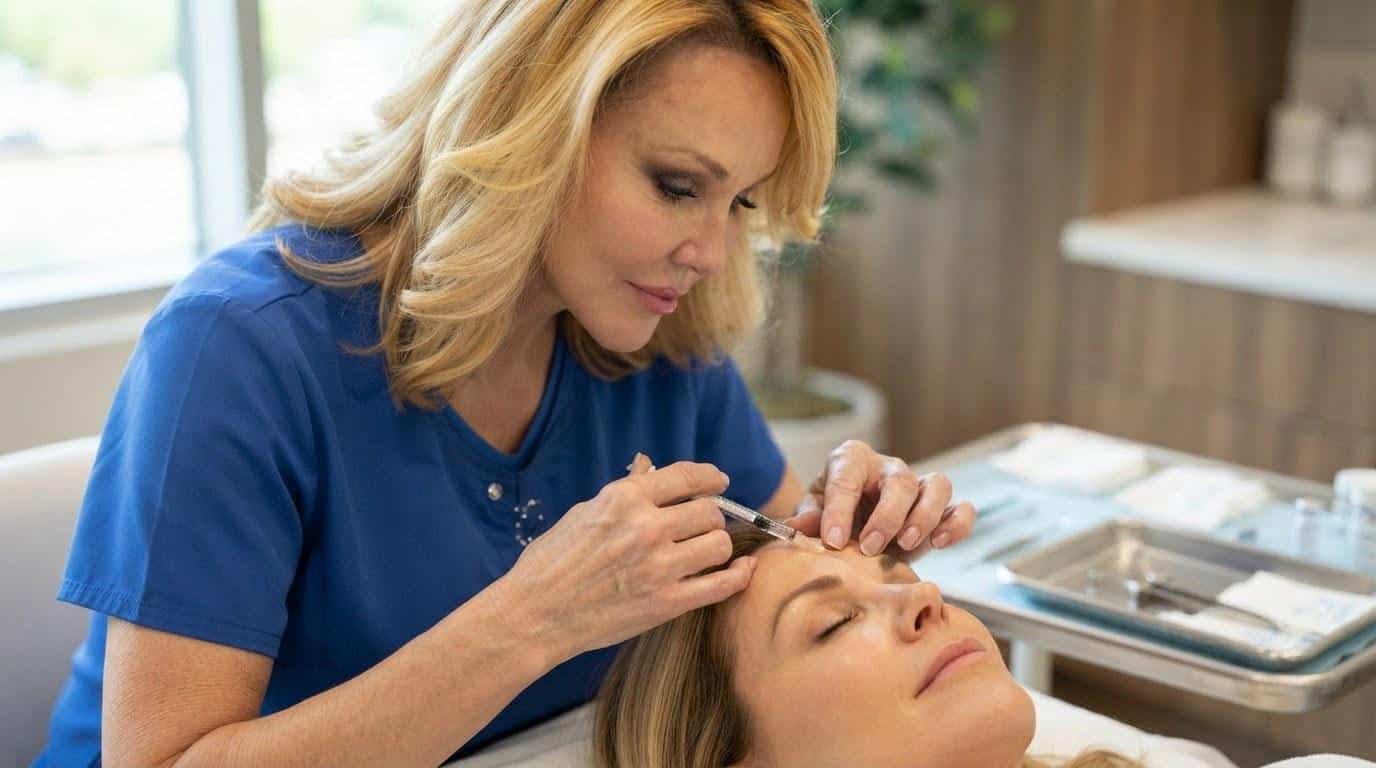
- Injections: The injector administers Dysport at each marked point using a small-gauge needle. A forehead and glabellar treatment typically involves 5 to 10 injection sites. Crow’s feet may require 3 to 4 sites per side.
- Post-treatment review: Your injector reviews aftercare instructions and schedules a follow-up if needed.
After the appointment, most patients return to normal activities right away. Common aftercare guidelines include:
- Avoid lying down flat for 4 hours after treatment.
- Skip strenuous exercise for 24 hours.
- Do not rub or massage the treated area for at least 4 hours.
- Avoid alcohol for 24 hours to minimize bruising risk.
- Stay out of saunas, steam rooms, and direct sun for 24 to 48 hours.
Small bumps or mild redness at injection sites typically fade within 20 to 30 minutes. Bruising is possible but usually resolves within 5 to 7 days. Results become visible in 2 to 3 days and reach their full effect around day 10 to 14.
How Much Does Dysport Cost?
In the Southern California market, Dysport is typically priced per unit, and a full treatment for glabellar lines generally requires 50 to 60 units. Crow’s feet may add another 30 to 60 units depending on the severity and the number of areas treated.
Several factors move the total cost up or down:
- Number of treatment areas: Treating the forehead, glabellar lines, and crow’s feet in one session costs more than a single-area treatment but often comes with a lower per-unit rate.
- Injector experience and credentials: Board-certified physicians, nurse practitioners, and registered nurses with advanced aesthetic training typically charge more than entry-level providers. That expertise directly affects your result and safety.
- Geographic market: Practices in higher cost-of-living areas of California generally reflect that in their pricing.
- Loyalty programs and package pricing: Many medical spas offer reduced per-unit rates for repeat patients or bundled packages.
In the regional market, Dysport treatments in California typically range from a few hundred dollars for a single small area to over a thousand dollars for a comprehensive multi-area session. Exact pricing depends on the factors above. For a personalized quote based on your specific goals, call Beauty Solutions Med Spa at (818) 860-0100.

Who Is a Good Candidate for Dysport?
Adults in good general health who have moderate to severe dynamic wrinkles, lines that appear when the face moves, are generally good candidates for Dysport injections. Dynamic wrinkles respond well to neuromodulators because they are caused by muscle movement, not by volume loss or sun damage alone.
According to the FDA prescribing information for Dysport, the product is indicated for adults under 65. Clinical use in patients 65 and older is possible but results may be less pronounced.
Dysport may not be appropriate for everyone. You should discuss your full health history with your provider if any of the following apply:
- You are pregnant or breastfeeding.
- You have a neuromuscular disorder such as ALS, myasthenia gravis, or Lambert-Eaton syndrome.
- You have had a previous allergic reaction to any botulinum toxin product or to cow’s milk protein (Dysport contains a lactose derivative).
- You are currently taking aminoglycoside antibiotics or other drugs that affect neuromuscular transmission.
- You have an active skin infection or inflammation in the planned treatment area.
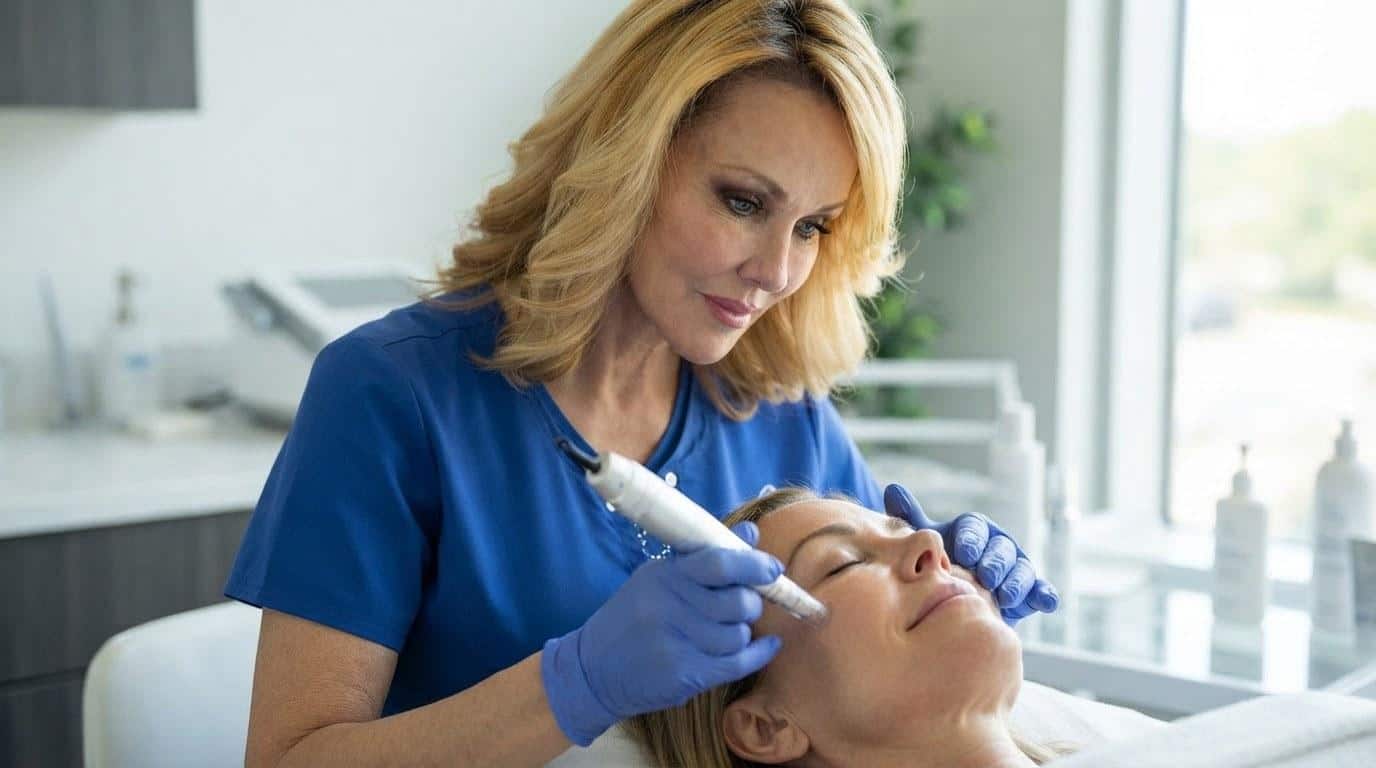
Static wrinkles, lines visible at rest that do not change when the face moves, often need a combination approach. Dysport may be paired with dermal fillers, chemical peels, or microneedling to address both muscle activity and skin texture. A thorough consultation helps identify which combination is right for you.
We see a wide range of first-time patients in our practice. Across consultations, roughly 7 in 10 patients who inquire about a single neuromodulator end up choosing a combination plan once they understand how the different treatments address different types of aging.
Frequently Asked Questions
How long does Dysport last before I need another treatment?
Dysport results typically last 3 to 5 months for most patients. Some people notice their results fading closer to the 3-month mark, while others maintain smooth results for the full 5 months. Factors like metabolism, muscle strength, and the number of units used all affect how long your results hold. Most patients schedule 2 to 3 treatments per year to maintain their look.
What is the difference between Dysport and Botox, and which one should I choose?
Dysport and Botox are both botulinum toxin type A injectables that relax facial muscles to reduce wrinkles. The main practical differences are onset speed and spread: Dysport tends to show results in 2 to 3 days versus 3 to 5 days for Botox, and it diffuses slightly more, which can be an advantage for larger areas like the forehead. The best choice depends on your anatomy, treatment goals, and how your body has responded to neuromodulators in the past. A qualified injector can help you decide during a consultation.
Can Dysport treat crow's feet around my eyes?
Yes, Dysport is commonly used to soften crow's feet, the fine lines that fan out from the outer corners of the eyes. While this is an off-label use, it is supported by extensive clinical experience and is one of the most frequently requested treatments. Most patients need 3 to 4 injection sites per side, and results typically appear within 2 to 3 days.
Does getting Dysport injections hurt?
Most patients describe Dysport injections as a mild pinching or stinging sensation that lasts only a second per injection site. The needles used are very fine, and the treatment is short, usually under 30 minutes. A topical numbing cream can be applied beforehand if you are concerned about discomfort, though many patients find they do not need it.
Who makes Dysport, and is it FDA-approved?
Dysport is manufactured by Galderma, a global pharmaceutical company specializing in dermatology. It was approved by the U.S. Food and Drug Administration in 2009 for the treatment of moderate to severe glabellar lines in adults. Galderma has been producing botulinum toxin products for clinical use in Europe since the early 1990s, giving Dysport one of the longest safety records of any neuromodulator on the market.