

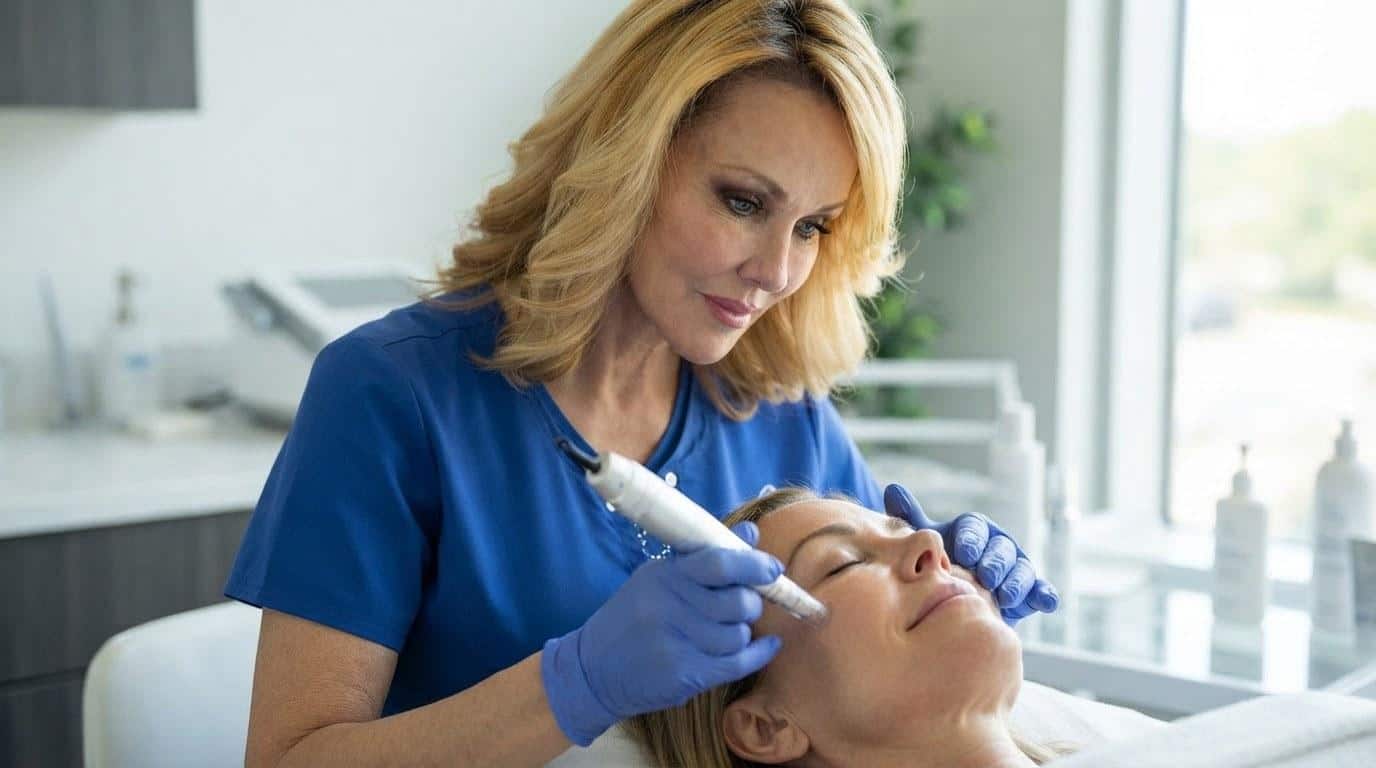
What Is Microneedling? A Plain-Language Guide to How the Treatment Works
What Is Microneedling? A Plain-Language Guide to How the Treatment Works
Microneedling uses tiny needles to trigger your skin's natural repair process, building new collagen and smoothing texture over a series of weeks. This guide covers everything you need to know before booking your first session.
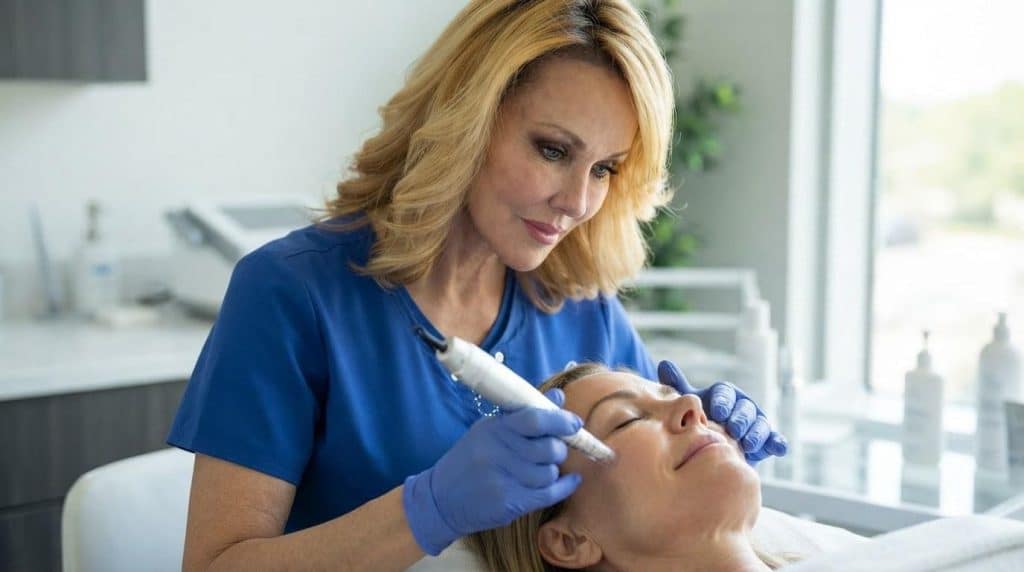
What Is Microneedling and How Does It Work?
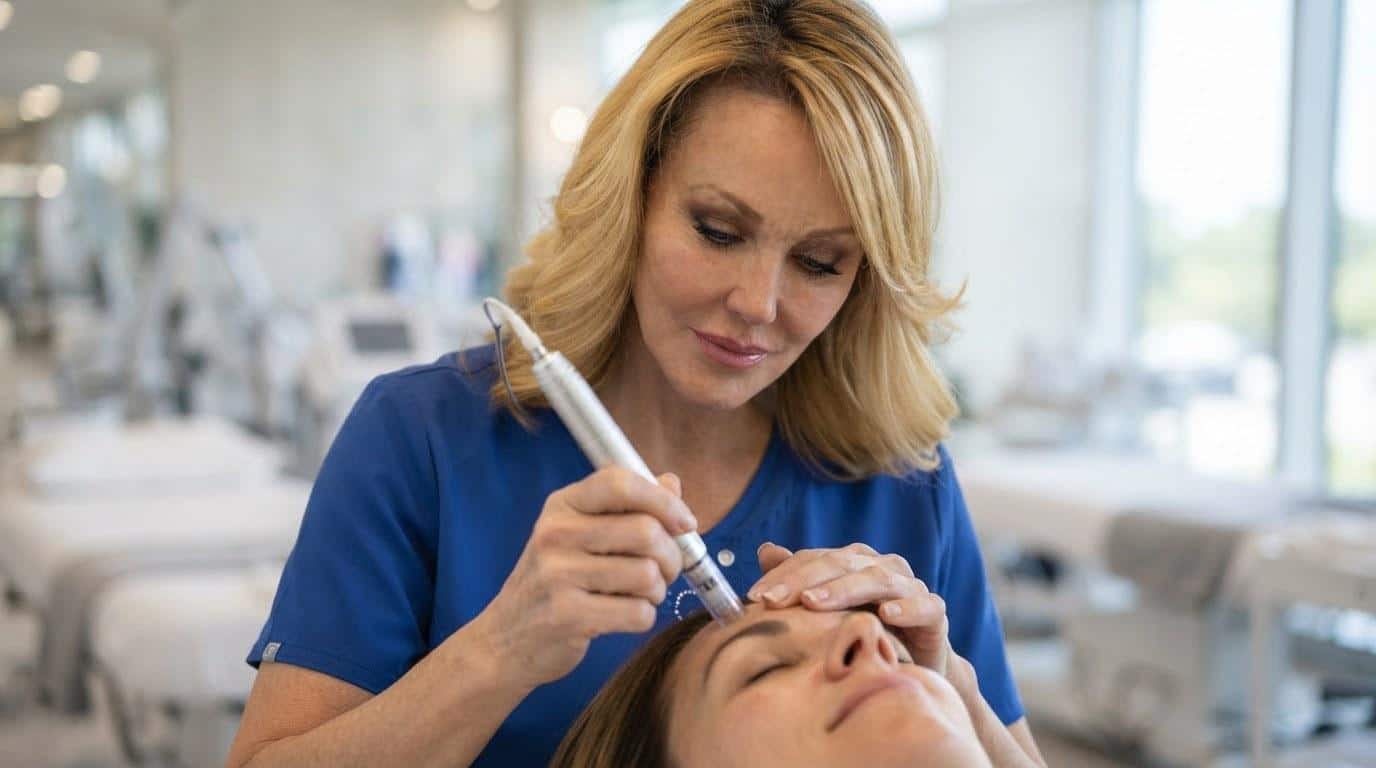
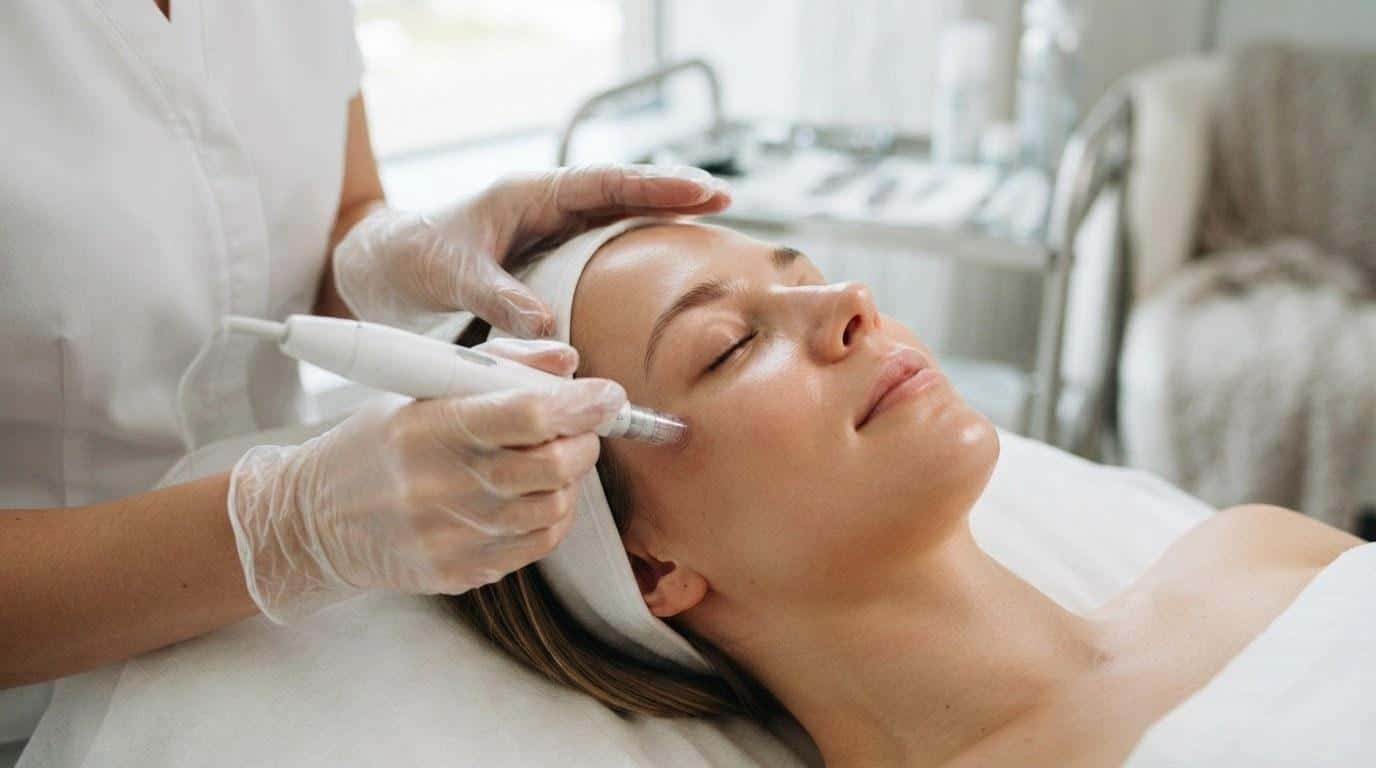
Microneedling is a minimally invasive cosmetic treatment that uses a device covered in very fine needles to create hundreds of tiny, controlled punctures in the skin’s surface. These micro-injuries trigger the body’s natural healing response, which produces new collagen and elastin fibers. Over the following weeks, that fresh collagen fills in scars, smooths fine lines, and improves overall skin texture.
The science behind it is straightforward. Your skin treats each micro-channel as a small wound. To repair it, fibroblast cells rush to the area and lay down new structural proteins. As of 2024, peer-reviewed studies published through the National Institutes of Health confirm that microneedling reliably increases dermal collagen density after a series of sessions.
The needles used in professional treatments typically range from 0.5 mm to 2.5 mm in depth, depending on the skin concern being addressed. Shallower settings work well for fine lines and product absorption, while deeper settings are used for acne scars and thicker skin areas like the cheeks.
What Skin Concerns Does Microneedling Treat?
Microneedling is one of the most versatile skin treatments available, with clinical evidence supporting its use for acne scars, fine lines, enlarged pores, uneven skin tone, sun damage, and mild skin laxity. It can be used on the face, neck, décolletage, and even the scalp for hair-thinning concerns.
Here are the most common reasons people seek out microneedling:
- Acne scars: Microneedling breaks up fibrous scar tissue and replaces it with smoother collagen. Studies show improvements of 50 to 70 percent in atrophic (depressed) acne scars after 3 to 4 sessions.
- Fine lines and wrinkles: New collagen plumps the skin from within, softening lines around the eyes, mouth, and forehead without injections.
- Sun damage and hyperpigmentation: The controlled injury speeds up cell turnover, helping fade dark spots caused by years of UV exposure.
- Large pores: Increased collagen around pore walls makes them appear smaller and tighter.
- Uneven texture: Rough or bumpy skin smooths out as old, damaged cells are replaced with new tissue.
- Stretch marks: Microneedling disrupts the scar-like tissue that forms stretch marks, encouraging remodeling over multiple sessions.
- Mild skin laxity: Collagen and elastin production firms skin that has lost density due to aging or weight changes.
It is worth noting what microneedling does not address. Active acne breakouts, open wounds, and certain inflammatory skin conditions like rosacea require a provider’s evaluation before treatment. A qualified clinician will assess your skin at a consultation and let you know if microneedling is the right fit.
Our practitioners see microneedling for acne scars requested in roughly 6 out of every 10 first consultations, making it by far the most common entry point for new patients exploring the treatment.
What Are the Different Types of Microneedling?
There are three main types of microneedling used in professional settings: standard microneedling, RF (radiofrequency) microneedling, and microneedling with PRP (platelet-rich plasma). Each builds on the same collagen-induction principle but adds an extra layer of technology or biological enhancement.
| Type | How It Works | Best For | Typical Sessions Needed |
|---|---|---|---|
| Standard Microneedling | Fine needles create micro-channels to stimulate collagen production | Texture, pores, mild scars, fine lines | 3 to 6 sessions |
| RF Microneedling | Needles deliver radiofrequency energy into the dermis for deeper remodeling | Skin laxity, deeper wrinkles, acne scars, body areas | 3 to 4 sessions |
| Microneedling with PRP | Patient’s own platelet-rich plasma is applied to micro-channels to accelerate healing and collagen output | Acne scars, hair loss, accelerated skin repair | 3 to 6 sessions |
RF microneedling is a popular upgrade for patients who want deeper skin tightening. The radiofrequency energy heats the tissue at a precise depth, contracting existing collagen while stimulating new production. Results from RF microneedling tend to be more pronounced for skin laxity than standard microneedling alone.
PRP microneedling, sometimes called a “vampire facial,” uses a small blood draw from the patient. The blood is spun in a centrifuge to isolate growth-factor-rich plasma, which is then pressed into the fresh micro-channels. According to research cited by the American Academy of Dermatology, adding PRP can enhance collagen output compared to microneedling alone, though individual results vary.
What Does a Professional Microneedling Session Actually Look Like?
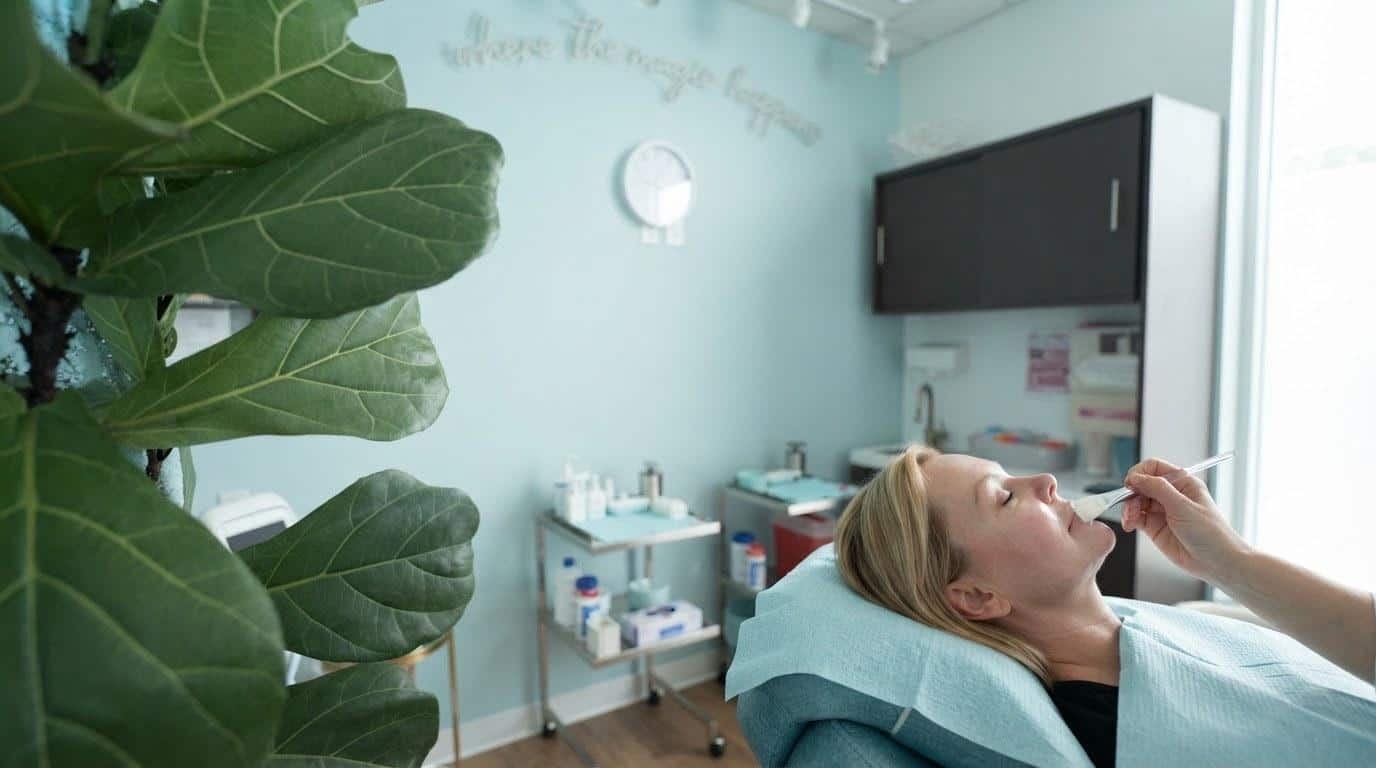
A professional microneedling appointment typically takes 60 to 90 minutes from start to finish, including prep time. The actual needling portion is usually 20 to 30 minutes, depending on the treatment area.
Here is what to expect, step by step:
- Consultation and skin assessment: Your provider reviews your skin concerns, medical history, and any contraindications such as active infections, blood-thinning medications, or certain skin conditions.
- Cleansing: The skin is thoroughly cleaned to remove makeup, sunscreen, and surface oils.
- Topical numbing cream: A medical-grade numbing cream is applied and left on for 20 to 30 minutes so the treatment is comfortable.
- Microneedling pass: The provider moves the device systematically across the treatment area, adjusting depth for different zones. The forehead and nose typically receive a shallower setting than the cheeks or jawline.
- Serum application: Immediately after needling, a hydrating or growth-factor serum is pressed into the micro-channels while they are still open, maximizing absorption.
- Calming treatment: A soothing mask or cooling compress is applied to reduce initial redness.
- Post-care instructions: Your provider gives you specific aftercare guidelines to follow for the next 24 to 72 hours.
Redness after the session looks similar to a mild sunburn and typically fades within 24 to 48 hours for standard microneedling. RF microneedling may produce redness and slight swelling for 2 to 4 days. Most people return to normal activities the next day.
How Much Does Microneedling Cost?
In the Southern California market, a single professional microneedling session generally ranges from $250 to $600, depending on the provider, the device used, and the size of the treatment area. RF microneedling and PRP add-ons typically push the cost higher, often into the $500 to $1,200 range per session.
Several factors move the price within that range:
- Provider credentials: Treatments performed by or under the supervision of a licensed physician, nurse practitioner, or registered nurse in a medical spa setting reflect higher clinical overhead than spa-only settings.
- Device technology: FDA-cleared professional devices cost significantly more to operate than entry-level tools, and that difference shows up in session pricing.
- Treatment area size: A full face costs more than a spot treatment on the chin or forehead alone. Adding the neck or décolletage increases the price further.
- Add-ons: PRP, growth-factor serums, and LED light therapy are often priced separately.
- Number of sessions purchased: Many providers offer package pricing for 3 to 6 sessions, which typically lowers the per-session cost by 10 to 20 percent compared to single-session pricing.
Because microneedling is a cosmetic procedure, it is not covered by health insurance. The U.S. Food and Drug Administration classifies microneedling devices as Class II medical devices, meaning the professional tools used in a licensed med spa are regulated for safety and effectiveness. Always confirm that any provider you consider uses an FDA-cleared device.
For a custom quote based on your specific skin concerns and goals, contact Beauty Solutions Med Spa directly.
What Should You Do After Microneedling?
Proper aftercare in the first 72 hours is the single biggest factor in how well your skin heals and how good your results look. The micro-channels created during treatment are temporarily open, making skin more reactive to products, sun, and environmental irritants.
Follow these aftercare guidelines for the best outcome:
- Skip makeup for 24 hours: Applying foundation or concealer over freshly needled skin risks pushing bacteria into open channels. Most providers recommend waiting a full 24 hours, and some suggest 48 hours after deeper treatments.
- Use only gentle, fragrance-free products: For the first 3 to 5 days, stick to a mild cleanser, a hydrating serum (hyaluronic acid works well), and a bland moisturizer. Avoid retinoids, vitamin C, AHAs, BHAs, and any active exfoliants.
- Apply SPF 30 or higher every morning: Newly remodeling skin is more vulnerable to UV damage. The American Academy of Dermatology recommends broad-spectrum SPF 30 or higher daily, and this is especially important in the two weeks after microneedling.
- Stay out of direct sun for at least 48 hours: UV exposure during the healing window can trigger hyperpigmentation, particularly in medium to deeper skin tones.
- Avoid pools, saunas, and steam rooms for 48 to 72 hours: Chlorine, bacteria, and heat can irritate healing skin and increase infection risk.
- Do not pick or exfoliate: Flaking or dry patches are normal as skin sheds. Let them fall off naturally rather than scrubbing or picking, which can cause scarring.
- Stay hydrated: Drinking adequate water supports the healing process from the inside out.
Collagen remodeling after microneedling continues for up to 6 months after a session, which is why results improve gradually rather than appearing overnight. Most patients notice visible texture improvement within 2 to 4 weeks of their first session, with the most dramatic changes appearing after a full series of 3 to 6 treatments spaced 4 to 6 weeks apart.
Collagen remodeling after microneedling continues for up to 6 months after a session, which is why results improve gradually rather than appearing overnight.
We consistently see patients who skip SPF in the first week after treatment report uneven pigmentation that takes an additional 6 to 8 weeks to resolve, adding sessions they would not have needed otherwise.
Patients who skip SPF in the first week after treatment report uneven pigmentation that takes an additional 6 to 8 weeks to resolve.
Ready to Try Microneedling in Southern California?
Beauty Solutions Med Spa, located in Woodland Hills, offers professional microneedling, RF microneedling, and PRP microneedling for patients across Southern California. Every treatment is performed using FDA-cleared devices by trained, licensed clinicians who tailor needle depth and technique to your specific skin concerns.
Schedule a consultation to find out which type of microneedling fits your goals, how many sessions you may need, and what results are realistic for your skin. Call (818) 860-0100 to book your appointment or ask any questions before you come in. Serving communities across the greater Los Angeles area and Southern California.
Frequently Asked Questions
What exactly does microneedling do to your skin?
Microneedling creates hundreds of tiny, controlled punctures in the skin that trigger the body's natural wound-healing response. That response produces new collagen and elastin, which fill in scars, smooth fine lines, and improve overall texture. The micro-channels created also allow serums applied immediately after the treatment to absorb far more deeply than they would on intact skin. Results build gradually over 4 to 6 weeks as the new collagen matures.
How much does a microneedling session usually cost?
In the Southern California market, a single professional microneedling session typically ranges from $250 to $600 for a standard facial treatment. RF microneedling and sessions with PRP add-ons generally range from $500 to $1,200 per session. Package pricing for a series of 3 to 6 sessions often reduces the per-session cost by 10 to 20 percent. For a personalized quote based on your skin concerns, contact Beauty Solutions Med Spa at (818) 860-0100.
When can I wear makeup after microneedling?
Most providers recommend waiting at least 24 hours before applying makeup after a standard microneedling session. After deeper treatments or RF microneedling, waiting 48 hours is safer because the skin remains more reactive. Applying makeup too soon risks introducing bacteria into the open micro-channels, which can cause breakouts or irritation. Mineral-based, fragrance-free formulas are the gentlest option when you do resume wearing makeup.
Does microneedling actually work for acne scars?
Yes, microneedling has strong clinical evidence for improving atrophic (depressed) acne scars. Studies show 50 to 70 percent improvement in scar appearance after 3 to 4 professional sessions. The treatment works by breaking up the fibrous scar tissue beneath the skin and replacing it with smoother, newly formed collagen. Results are most significant when sessions are spaced 4 to 6 weeks apart to allow full healing between treatments.
How often should I get microneedling done to see real results?
Most people need 3 to 6 sessions spaced 4 to 6 weeks apart to see meaningful, lasting improvements. The spacing matters because collagen remodeling takes time, and treating skin before it has fully healed from the previous session reduces results. After completing an initial series, many patients do one to two maintenance sessions per year to preserve their results. Your provider will recommend a schedule based on your specific skin concerns and how your skin responds.