


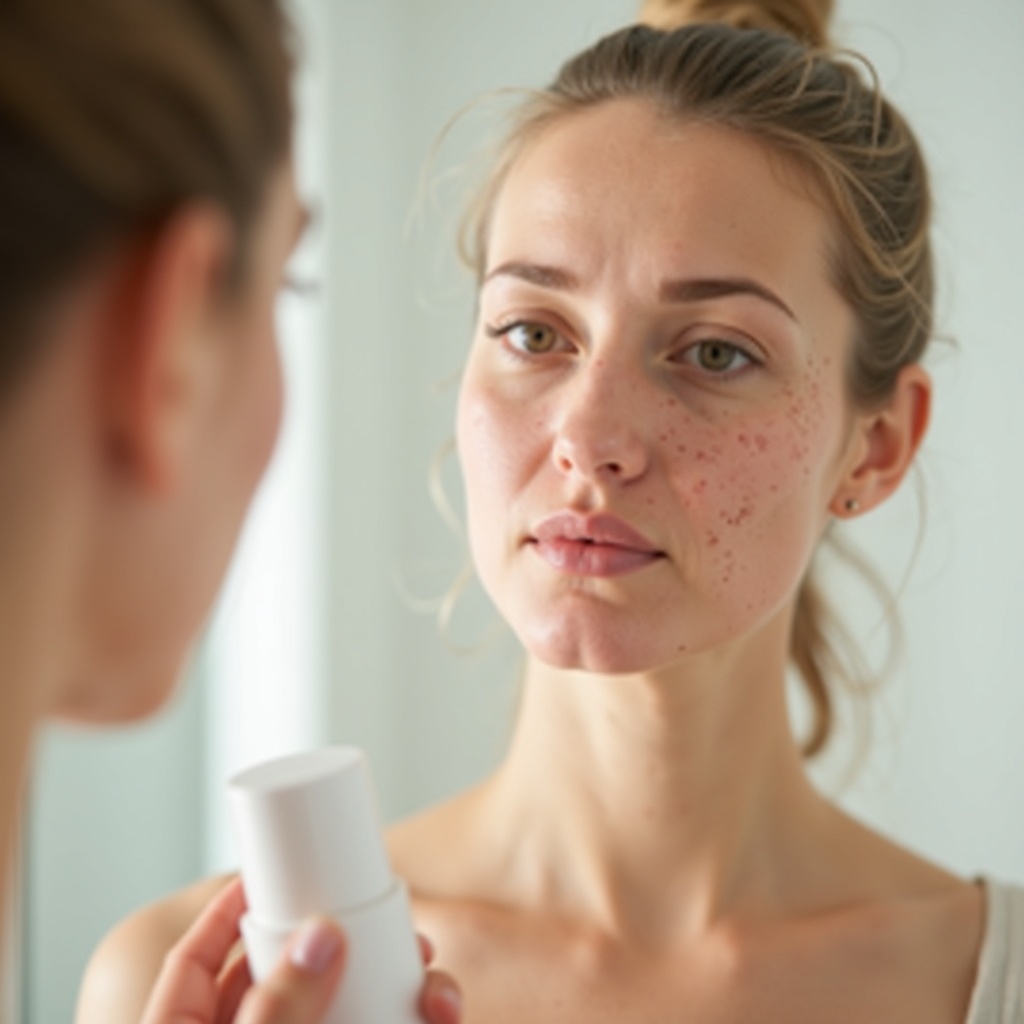
HydraFacial Breakouts: Purging or a Reaction?
HydraFacial Breakouts: Purging or a Reaction?
HydraFacial Breakouts: Purging or Problem?
HydraFacial treatments are widely sought for their ability to deliver instant hydration and visible results, but breakouts after the procedure can leave clients confused and concerned. The critical question isn’t whether breakouts happen—they often do—but whether those breakouts represent normal skin purging or a sign of an adverse reaction. Understanding this distinction matters because the two require completely different aftercare approaches. This guide breaks down the myths surrounding post-HydraFacial breakouts and gives you a practical framework to assess your skin’s response.
Myth #1: All Post-HydraFacial Breakouts Mean Your Skin Is Purging
Reality: Purging is a real phenomenon, but it’s not the only reason breakouts appear after HydraFacial treatment. True purging happens when the treatment accelerates cell turnover and brings existing, deeply congested material to the skin’s surface. This typically occurs along the jawline and chin—areas prone to congestion—and resolves within 3 to 7 days. However, not every breakout is purging. Some breakouts stem from reaction to the serums applied during treatment, bacterial colonization from improperly sanitized equipment, or over-aggressive post-treatment skincare. The distinction matters: purging is temporary and normal; an adverse reaction requires different management and possibly treatment adjustment on your next visit.
A qualified provider should clarify which type of breakout you’re experiencing. If breakouts persist beyond 7 days, worsen, or appear in unusual patterns—such as a localized rash or cystic lesions where none existed before—that’s a signal to reach out to your clinic rather than assume it’s normal purging.
Myth #2: Purging Happens to Everyone After HydraFacial
Reality: Purging is common but not universal. Clients with minimal baseline congestion, clear skin, or infrequent breakout history may experience zero breakouts post-treatment. Those with oily skin, congestion-prone skin, or untreated acne tend to purge more. The HydraFacial’s vacuum extraction and exfoliation physically loosen debris and dead skin cells, creating an opportunity for congestion to surface. If your skin is already relatively clear, there’s less congestion buried below the surface to bring up. Individuals living in drier climates may also experience different purge patterns than those in more humid regions—dehydration can mask underlying congestion, so treatment can reveal it more suddenly when hydration is restored.
Your Post-Treatment Purge Checklist
- Days 1–3: Expect possible mild redness and slight congestion, especially along the jawline. Avoid actives (retinol, acids, vitamin C serums).
- Days 3–5: If breakouts appear, apply gentle salicylic acid (0.5–2%) or a noncomedogenic moisturizer. Skip heavy oils.
- Days 5–7: Purging should plateau and begin resolving. If breakouts are spreading or worsening, contact your clinic.
- Beyond Day 7: Any persistent breakouts likely indicate a reaction, not purging. Seek professional assessment.
Myth #3: You Should Exfoliate or Treat Breakouts Aggressively
Reality: Over-treating post-HydraFacial skin is one of the biggest mistakes clients make. Your skin barrier is temporarily compromised immediately after exfoliation and extraction. Adding aggressive exfoliation, strong retinoids, or chemical peels in the first 48 hours will inflame the skin further and extend breakout duration. The same goes for picking, scrubbing, or using harsh cleansers. During the purge phase, your goal is support and protection, not additional resurfacing.
Instead, use a gentle, hydrating cleanser (such as a cream or micellar formula), apply a lightweight non-comedogenic moisturizer, and use broad-spectrum SPF 30+ daily. If breakouts appear, a targeted application of 2% salicylic acid or benzoyl peroxide (not both simultaneously) on affected areas is acceptable, but only after 48 hours post-treatment. Calming ingredients like niacinamide, centella asiatica, or allantoin help reduce inflammation without aggravating the skin. Avoid heavy occlusive products, oils, and thick creams that can trap bacteria and serum residue in freshly opened pores.
Myth #4: Serums Used During HydraFacial Never Cause Reactions
Reality: HydraFacial serums are formulated for professional use and are generally well-tolerated, but individual sensitivities and allergies absolutely exist. If you develop widespread redness, itching, burning, or a rash-like pattern immediately or within hours of treatment—rather than the localized breakouts of purging—you may have reacted to a serum ingredient. Common culprits include hyaluronic acid (rare but possible in high concentrations), peptides, or preservatives. Some clients also react to numbing agents or topical anesthetics applied pre-procedure.
Anyone with a history of sensitive skin, rosacea, or known allergies should inform their provider before treatment. If you suspect a serum reaction, contact your clinic within 24 hours. Your provider can review the specific serums used and adjust formulations for your next appointment. In some cases, a patch test or pre-treatment allergy screening prevents recurrence. True allergic reactions warrant immediate attention: if you experience swelling, difficulty breathing, or widespread hives, seek medical care promptly.
Myth #5: One Breakout Means HydraFacial Isn’t Right for You
Reality: A single purging cycle doesn’t disqualify you from HydraFacial. In fact, seeing breakouts surface and resolve is proof the treatment is working—it’s mobilizing congestion. Many clients experience purging on their first or second treatment, then have zero breakouts on subsequent appointments because baseline congestion has been cleared. The key is understanding your skin’s pattern and timing future treatments accordingly.
If you’re concerned about purging timing—for example, before an important event—discuss this with your provider. Scheduling HydraFacial 10–14 days before important occasions gives purging time to resolve. Some clients also benefit from adjusting treatment intensity or limiting the number of serums used in subsequent sessions. A qualified provider can customize the protocol based on your skin type and history.
When to Contact Your Provider
Clear boundaries help you decide when to wait it out versus when to seek professional guidance. Contact your clinic immediately if you experience: cystic acne or large, painful lesions appearing 3 or more days post-treatment; widespread rash or hives; persistent itching, burning, or swelling beyond 24 hours; or breakouts that worsen rather than improve by day 5. These signals suggest a reaction rather than purging, and your provider needs to know in order to adjust your next treatment or recommend alternative therapies.
For typical purging—a few small congested spots along the jaw and chin, mild redness, no pain or swelling—at-home care and patience are appropriate. Don’t hesitate to reach out to your clinic with photos or concerns. A provider can assess your skin via phone or video and either reassure you or schedule a follow-up visit for professional guidance. Prompt communication prevents minor irritation from becoming a bigger issue and helps shape better treatment plans going forward.
Post-HydraFacial Skincare by Climate and Skin Type
Your local climate affects how skin responds post-treatment. Drier conditions accelerate moisture loss from the freshly exfoliated skin barrier, which can intensify purging and redness. Combat this by increasing hydration: use a hydrating toner or essence before moisturizer, apply moisturizer to damp skin, and consider a humidifier at night. Conversely, if you have oily or acne-prone skin, skip extra occlusive layers and focus on lightweight, water-based products. The goal is support without suffocation.
Clients with darker skin tones should be especially vigilant about post-treatment care because they carry a higher risk of post-inflammatory hyperpigmentation if breakouts become inflamed or are picked. Use a vitamin C serum or niacinamide serum starting 5–7 days post-treatment to support even tone, and continue daily SPF to prevent dark spots from setting. If hyperpigmentation develops, alert your provider—early intervention with targeted treatments is far more effective than waiting.
| Response Type | Typical Timeline | Location & Pattern | Action Required |
|---|---|---|---|
| Normal Purging | 3–7 days post-treatment | Jawline, chin, along cheekbones; few small congested spots | Gentle cleanser, lightweight moisturizer, mild salicylic acid (after 48 hrs), SPF |
| Serum Reaction | Hours to 24 hours post-treatment | Widespread rash, itching, burning; may be facial or localized to serum application area | Rinse skin with cool water; avoid further treatment; contact your clinic within 24 hours |
| Bacterial/Infection Concern | 2–5 days post-treatment | Cystic lesions, oozing, warmth, tenderness; pain out of proportion to appearance | Contact your clinic or dermatologist immediately; may require oral or topical antibiotics |
| Prolonged Inflammation | Beyond 7 days | Breakouts worsening or spreading; persistent redness; texture changes | Schedule follow-up with your provider; adjust future treatment protocol; consider alternative therapy |
Understanding the difference between purging and an adverse reaction empowers you to care for your skin confidently and get the best results from professional HydraFacial treatment. When in doubt, a qualified medical aesthetics provider can help manage post-treatment breakouts, review serum formulations, and customize protocols to suit your skin type and history.

Launa Stone has been a practicing registered nurse for over 30 years. After working in Critical Care, she began her career in plastic surgical nursing and skin care in 1989. She has worked with some of the country's most prominent plastic and reconstructive surgeons. In 1996, when Botox™ was introduced for cosmetic purposes, she began performing Collagen & Botox™ injections. Over 25 years later, Launa continues to be at the forefront of non-invasive medical and aesthetic technology. She is in the top 1% of injectors in the U.S. and among the first to preview Daxxify. Launa is a pioneer in Med-Spas, having started the first Med-Spa nationwide in Beverly Hills in the 1990's, then Brentwood in 2000, and founded Calabasas Med Spa in 2009. She has been featured as a "beauty expert" on "The Doctors" and in many magazines. Allergan has recognized her as a top provider of Botox, placing her in the top 250 of all Botox cosmetic injectors Nationwide.
❓ Frequently Asked Questions
How long does skin purging last after HydraFacial?
Normal skin purging typically lasts 3 to 7 days after HydraFacial treatment, with breakouts most visible along the jawline and chin. If breakouts persist beyond 7 days or worsen, contact Launa Stone's med spa at (818) 860-0100 for assessment, as this may indicate a reaction rather than purging.
What's the difference between HydraFacial purging and an allergic reaction?
Purging produces a few small, localized congested spots along congestion-prone areas (jawline, chin) over 3–7 days, while allergic reactions cause widespread rash, itching, burning, or redness within hours of treatment. Allergic reactions require immediate contact with your provider to adjust serums for future treatments.
Can I use retinol or acids on breakouts after HydraFacial?
No—avoid retinol, strong acids, and exfoliants for at least 48 hours post-HydraFacial. Your skin barrier is compromised after treatment, and additional actives will intensify inflammation and extend breakouts. Stick to gentle cleansing, lightweight moisturizer, SPF, and mild salicylic acid only after 48 hours if needed.
Should I skip my next HydraFacial if I purged after the first one?
No—purging on your first or second HydraFacial is normal and often means the treatment is working to clear congestion. Most clients experience zero breakouts on subsequent appointments once baseline congestion is cleared. Discuss timing and treatment customization with Launa Stone, R.N., to schedule around important events.
